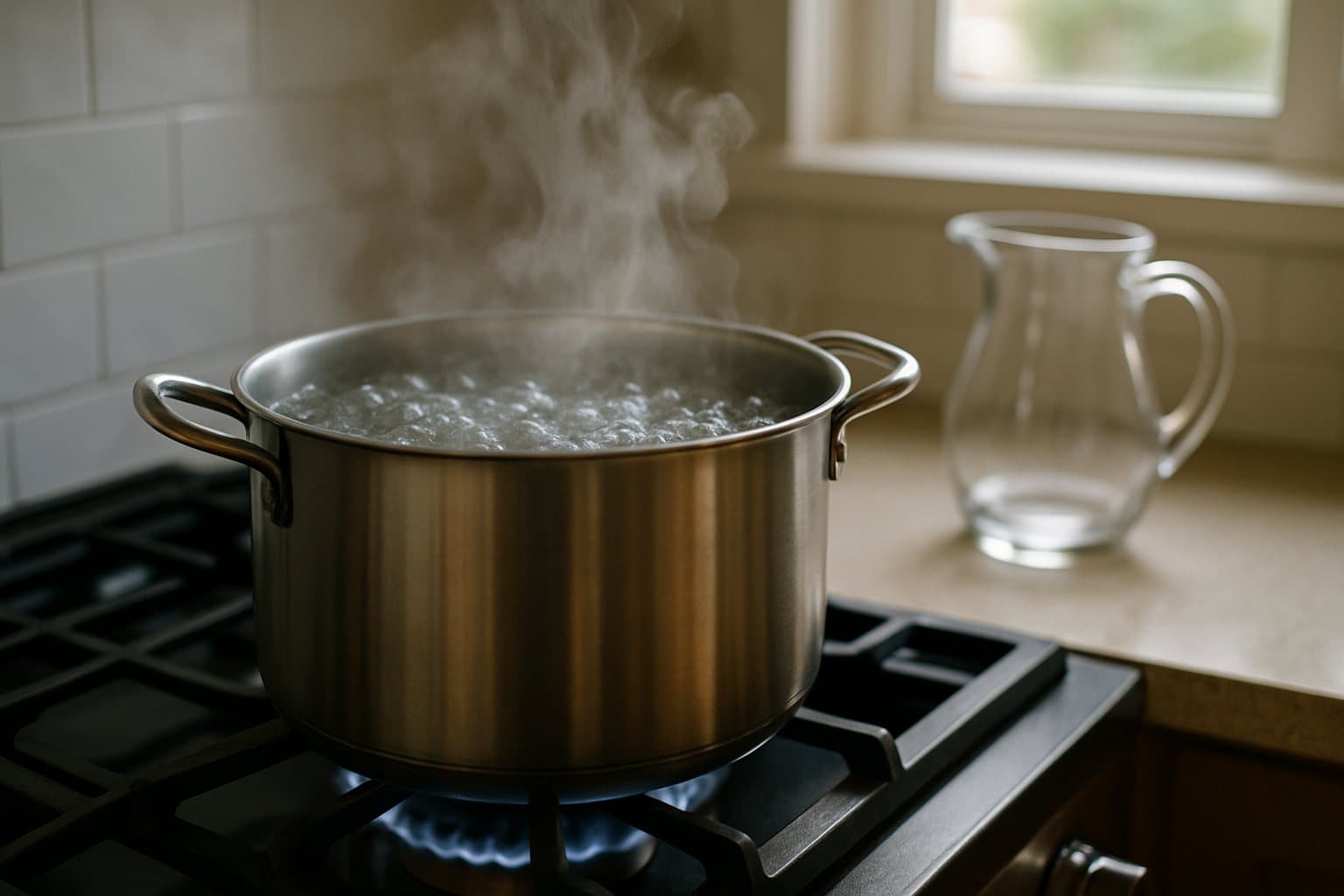
Boil-Water Notice on the Gulf Coast: What to Do
What a boil-water notice asks of you: the one-minute boil, the bleach fallback, what is still safe to use, and the steps to take once it lifts.
7 min read

Serving Mobile + Baldwin County, AL
Free in-home water test · results while we're there
12 articles
What is actually in Gulf Coast water, what the numbers on a report mean, and which limits are enforceable. Most of these are built on federal data for the systems serving Mobile and Baldwin County.
What a boil-water notice asks of you: the one-minute boil, the bleach fallback, what is still safe to use, and the steps to take once it lifts.
7 min read
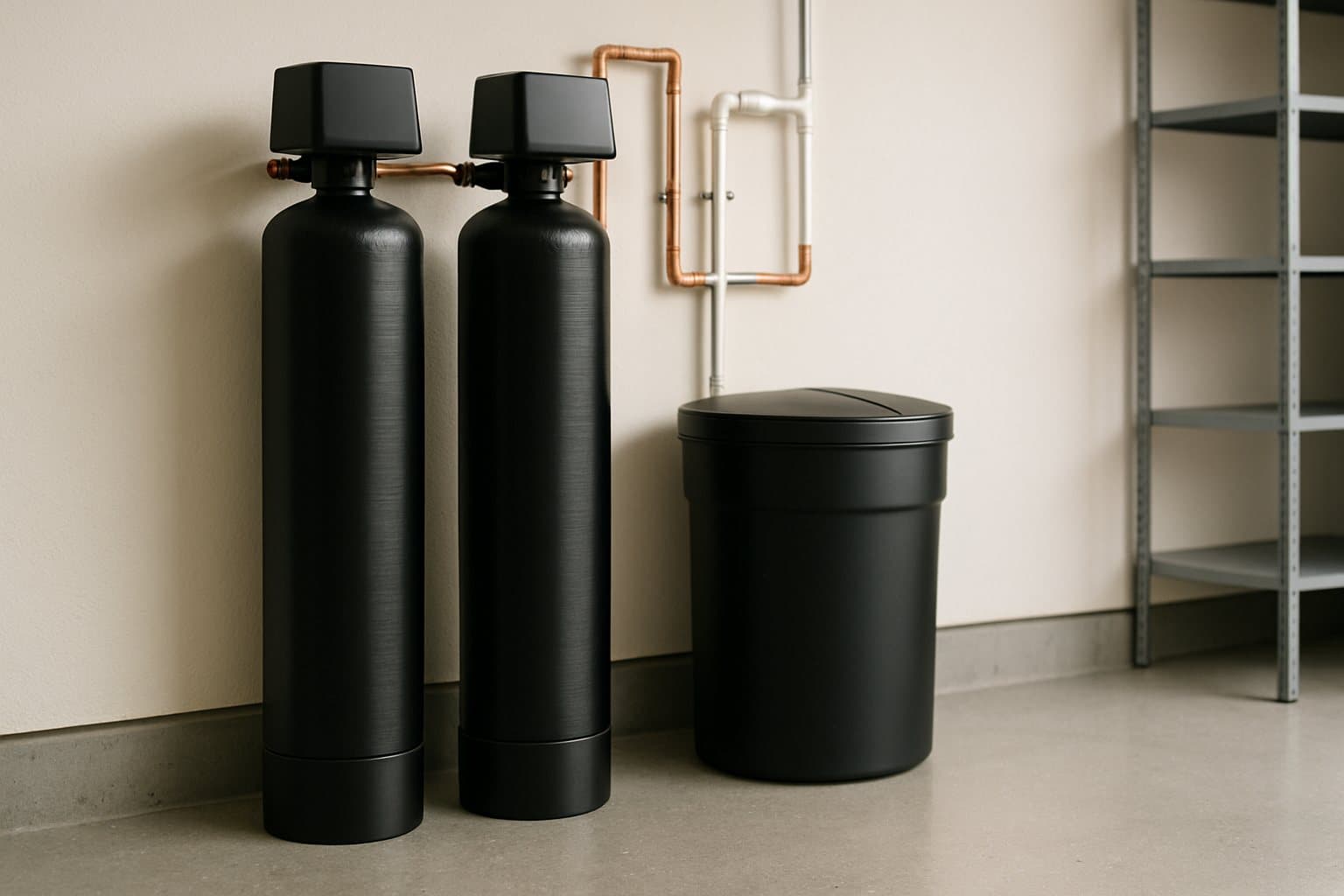
A softener removes hardness and a carbon filter removes chlorine taste. On Mobile's soft, chlorinated water the filter often matters more. How to tell.
6 min read
Same street, same aquifer or same main, different water. Four mechanisms explain nearly every case, and two of them are inside your own house.
5 min read
MAWSS serves about 279,000 people. Twelve contaminants sit above health guidelines, every one legal, and four of them have no legal limit at all.
6 min read
We pulled every EPA violation record for the 15 water systems serving Mobile and Baldwin County. 819 records. Two involved water quality.
6 min read
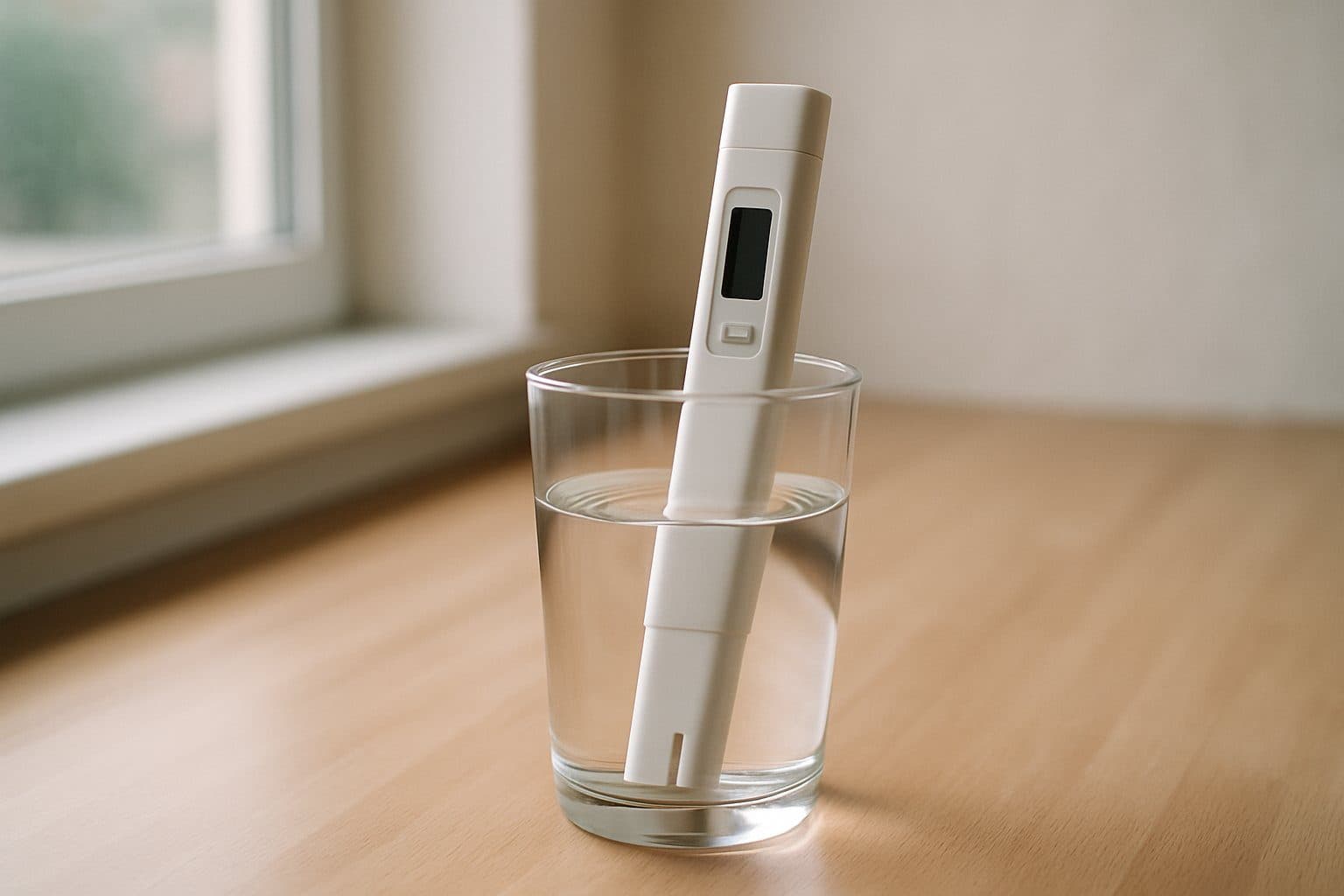
TDS is the number every cheap meter reads, and it is the least diagnostic number on a water test. Here is what it can and cannot tell you.
5 min read
The most common finding on Gulf Coast water reports. They exist because the alternative is worse — and they come off with carbon at the tap.
6 min read
Iron, manganese, pH and dissolved solids are covered by standards that are guidance rather than law — and they cause most of what people complain about.
5 min read
Radium shows up in all 15 public water systems serving Mobile and Baldwin County. Every reading is legal. Here is what that actually means.
6 min read
Five abbreviations do most of the work on a water report, and two of them are not enforceable at all. Which is which changes what a detection means.
6 min read
Two proposed rules, and only one is a rescission. The limits for PFOA and PFOS are not being withdrawn — the compliance deadline is what may move.
6 min read
Federal law makes your utility send you a Consumer Confidence Report by July 1. It is useful, and it describes the plant — not your kitchen tap.
5 min read
Hardness, pH, chlorine and TDS, measured in your kitchen and explained on the spot. Free, and sometimes the answer is that you need nothing.
No charge, no obligation, and a real number rather than a regional average.