

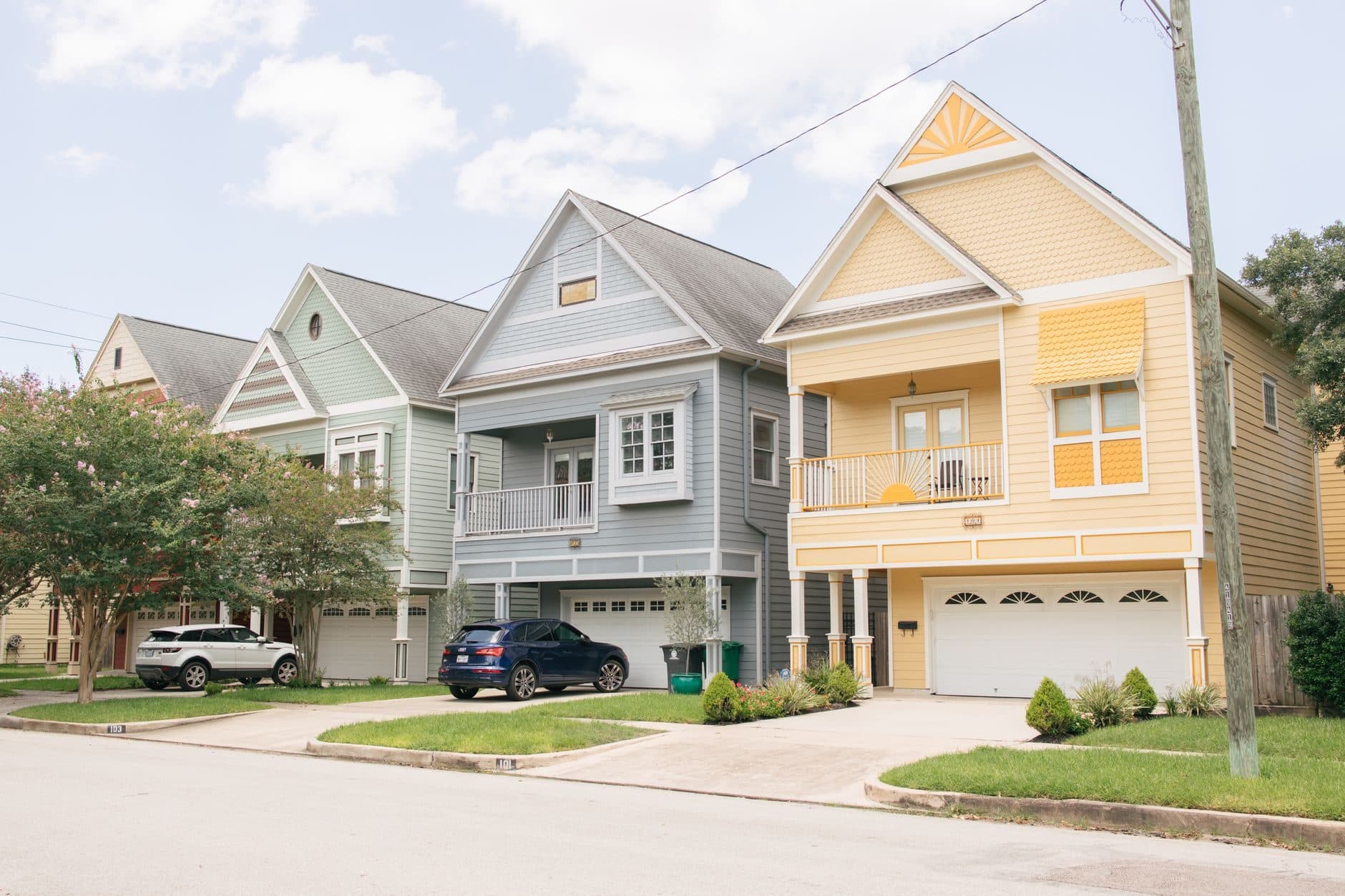
It comes up constantly. Two houses on the same street, on the same supply, and the water behaves differently — one has staining and the other does not, one tastes of chlorine and the other never notices.
Four mechanisms explain nearly all of it. Two are outside your house and two are inside it.
On city water
Distance from the plant. Disinfectant keeps reacting with organic matter all the way along the main, so by-product levels rise the further water travels. A house at the end of a long run and one near the plant get measurably different water from the same treatment works on the same day.
The reverse applies to the disinfectant itself — the residual is highest near the plant, which is why chlorine taste complaints cluster there.
Your own plumbing. This is the big one, and it is the reason a system-wide report cannot answer a household question. Lead and copper enter water after the utility's responsibility ends, from the pipes and fittings inside your walls.
Two houses on the same main with different plumbing ages get different metal levels. Acidic water and older copper is a specific combination that produces staining in one house and nothing next door.
How long water sits. A house occupied all day with constant draw-off is different from one empty from eight until six. Contact time is what lets water pick things up from pipe, which is why the first draw of the morning is not the same water as the tenth.
On a private well
Depth and screened interval. Two wells a few hundred feet apart can draw from different zones of the same formation. Deeper generally means better separation from the surface, which matters especially in a highly permeable aquifer.
Casing and grouting condition. A well with a compromised seal is influenced by surface water in a way that a well-sealed one is not, even at identical depth.
What is upslope. A septic system, a fuel tank, historic agriculture — these are properties of a location rather than a neighbourhood.
This is why county medians are context rather than an answer. The USGS figures for Mobile and Baldwin describe dozens of sampling sites across two counties. Your well is one point in that distribution, and half of every distribution is below the middle.
What this means practically
Do not diagnose from a neighbour's experience. "Everyone around here has hard water" is a claim about a region, and equipment bought on it is bought on a guess.
Do not diagnose from a system report either. It is the right document for judging the system and the wrong one for judging your kitchen.
Do not assume it is stable. Wells change with rainfall and season. City water changes with source, temperature and main work.
The one thing that settles it
A reading at your tap, which accounts for your distance, your plumbing and your usage pattern simultaneously — because it measures the result rather than modelling the inputs.
The free in-home test does exactly that, and sometimes concludes you need nothing, which is a legitimate and fairly common outcome. Compare it against what your system publishes and the gap between the two is your house.