7 min read
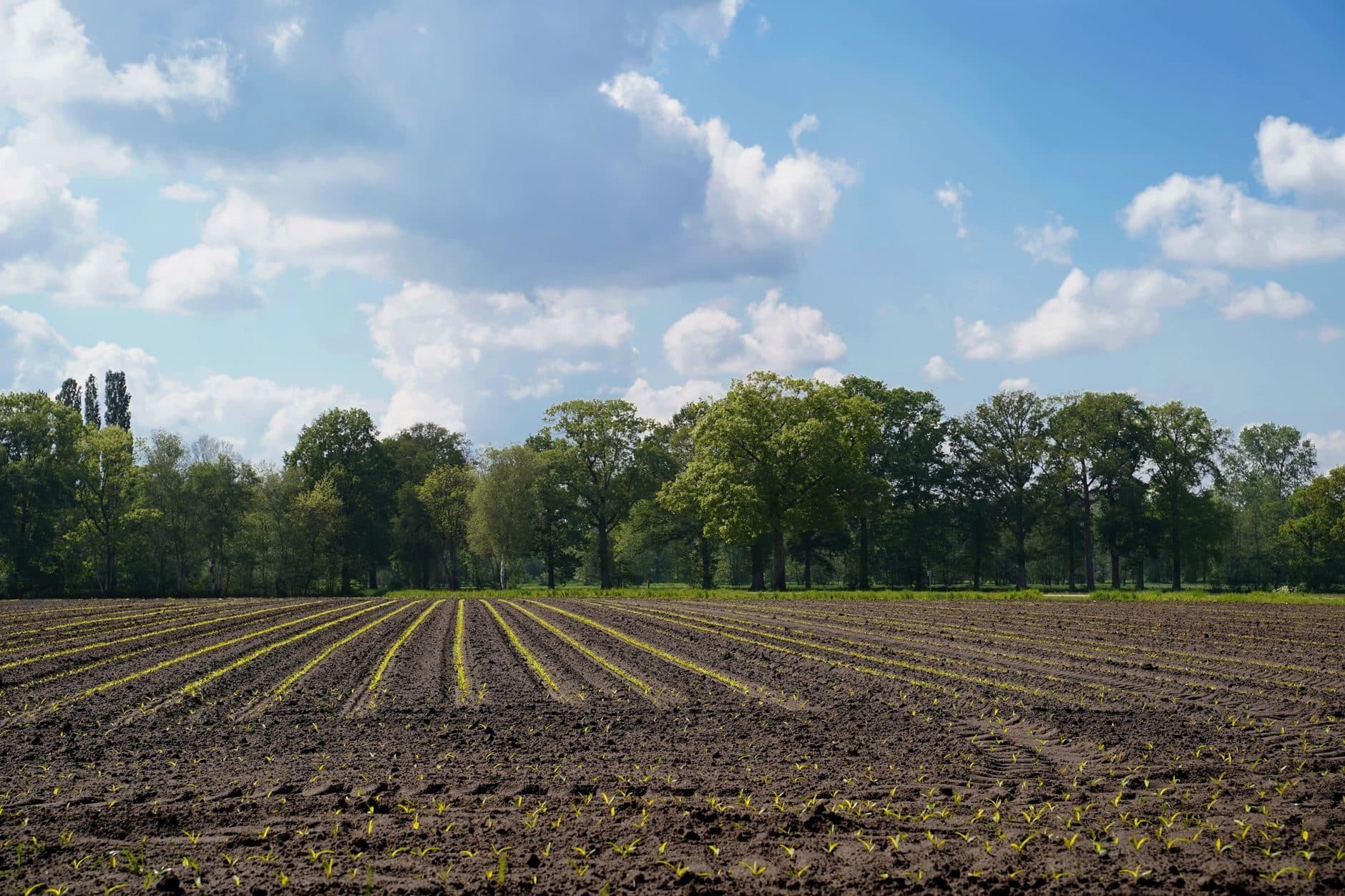
Flooded Well? ADPH Says Assume It Is Contaminated
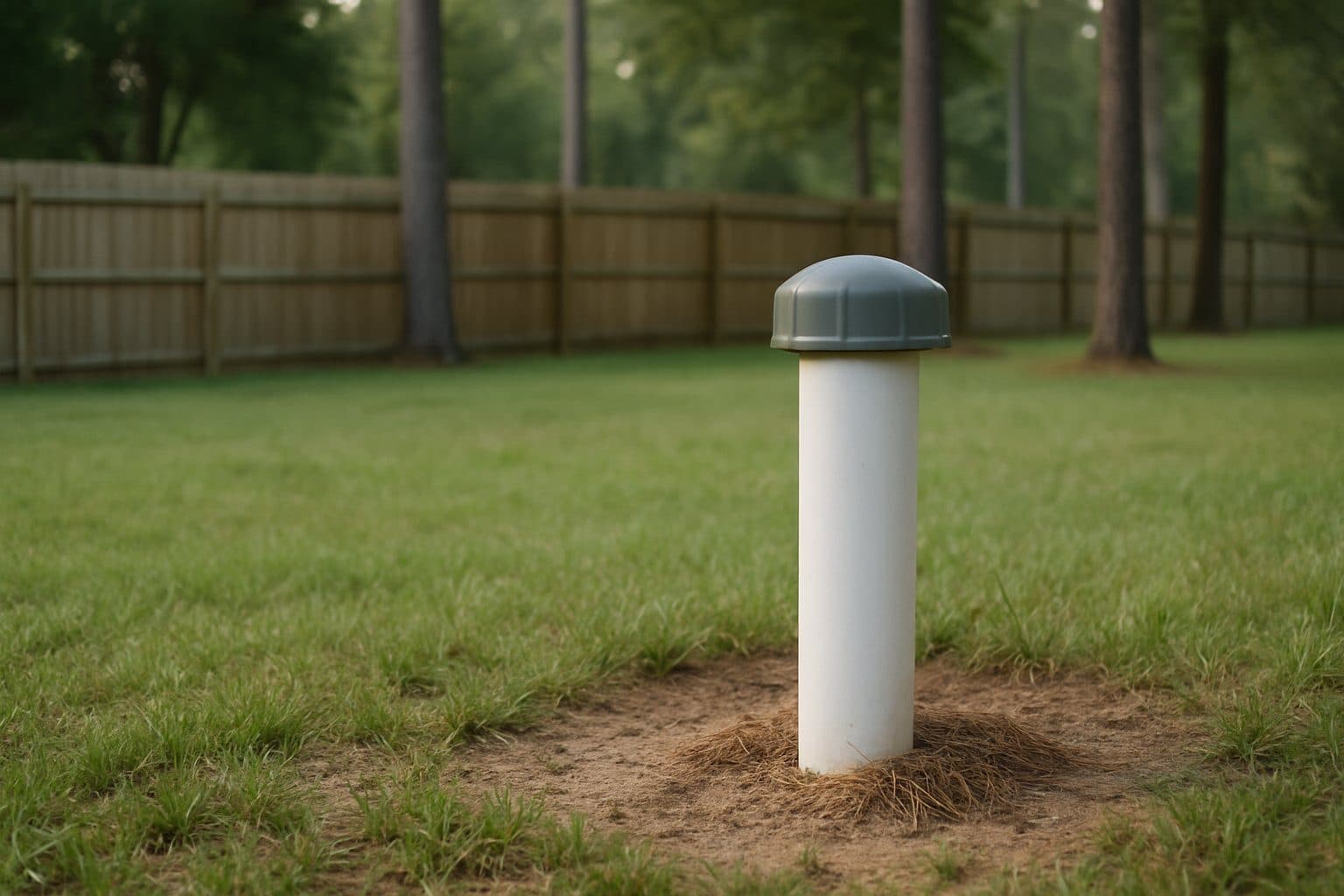
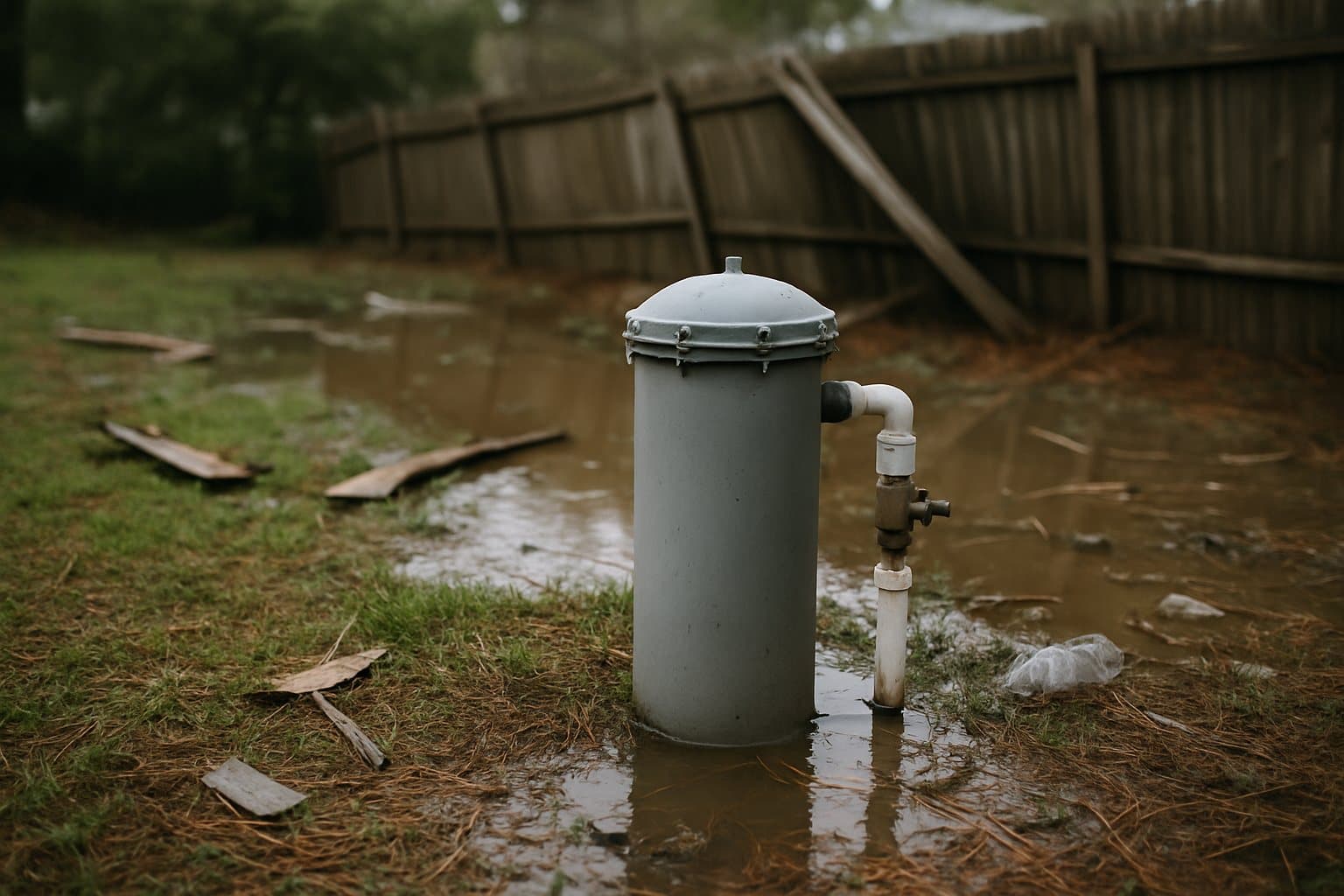
If flood water covered your wellhead, ADPH says treat the well as contaminated. What that means, the order of steps, and who does which part.
Read the guide →
Serving Mobile + Baldwin County, AL
Free in-home water test · results while we're there
Plain-English answers to local water questions — softeners, filtration, well testing, and what coastal humidity does to your plumbing.
Written for Mobile and Baldwin County homeowners, by the team that fixes these systems.
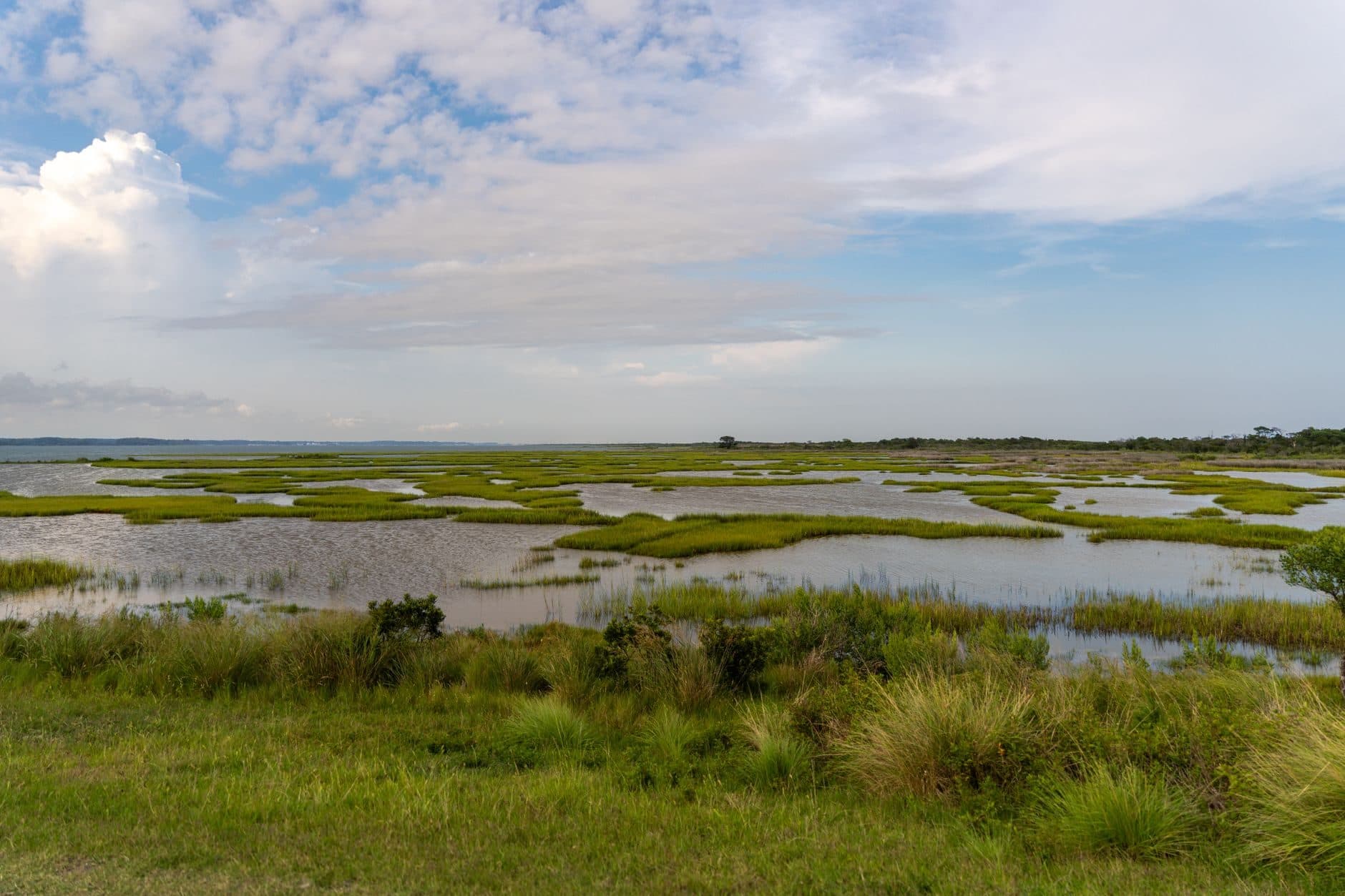
If flood water covered your wellhead, ADPH says treat the well as contaminated. What that means, the order of steps, and who does which part.
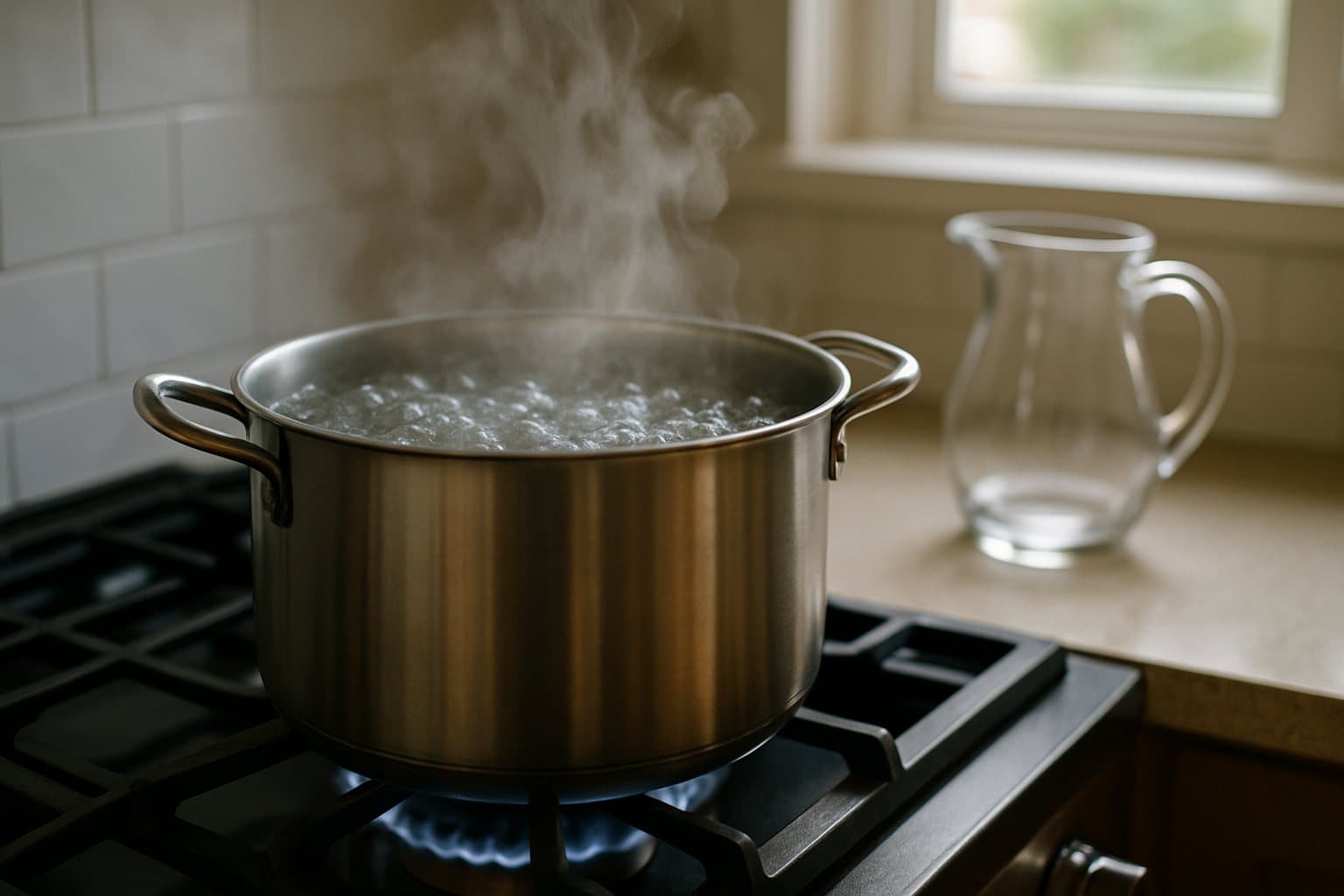
Read the guide →What a boil-water notice asks of you: the one-minute boil, the bleach fallback, what is still safe to use, and the steps to take once it lifts.
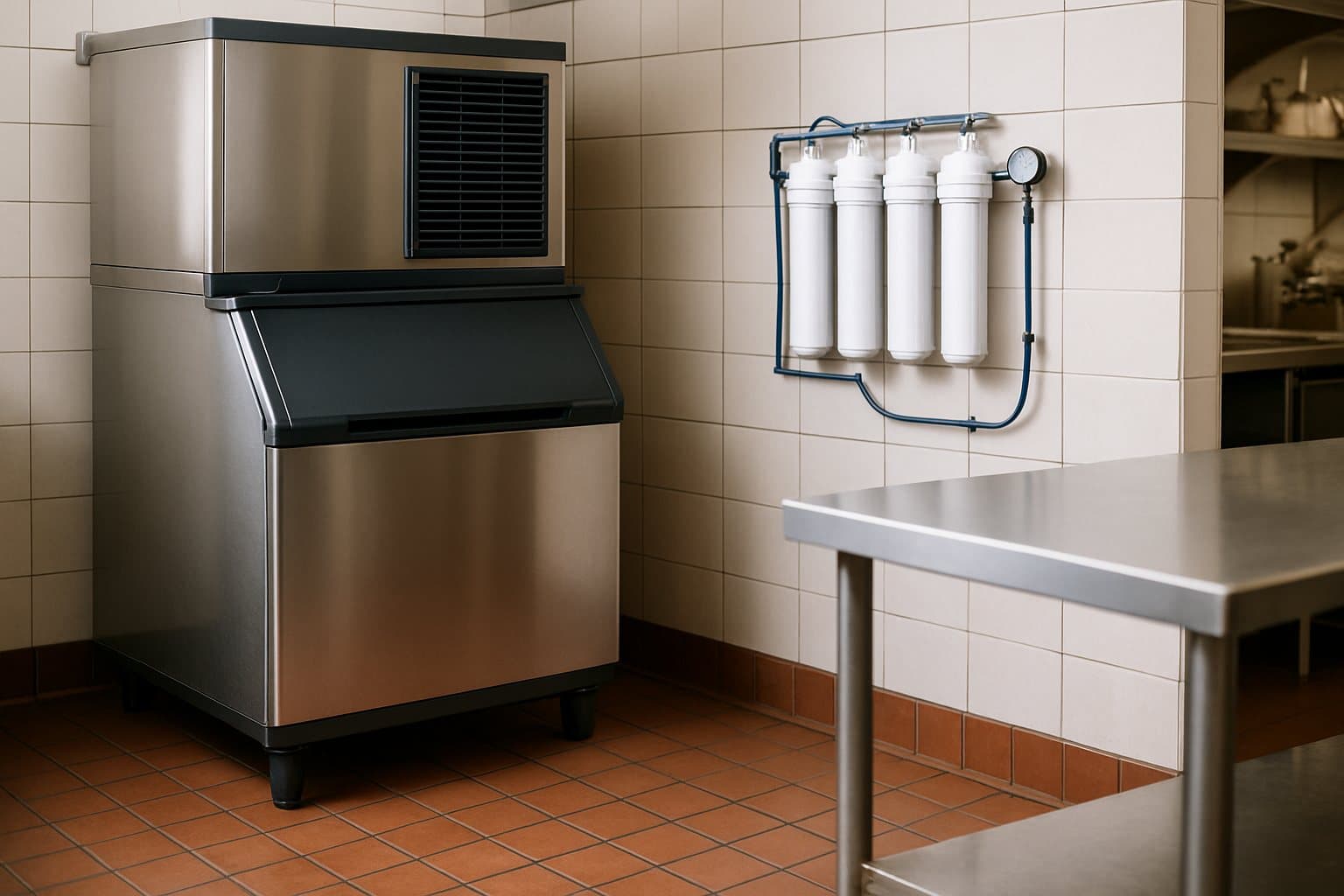
Read the guide →No single restaurant filter fits the ice machine, drinks, dish line and combi oven. What the Food Code and equipment makers require, on Mobile water.
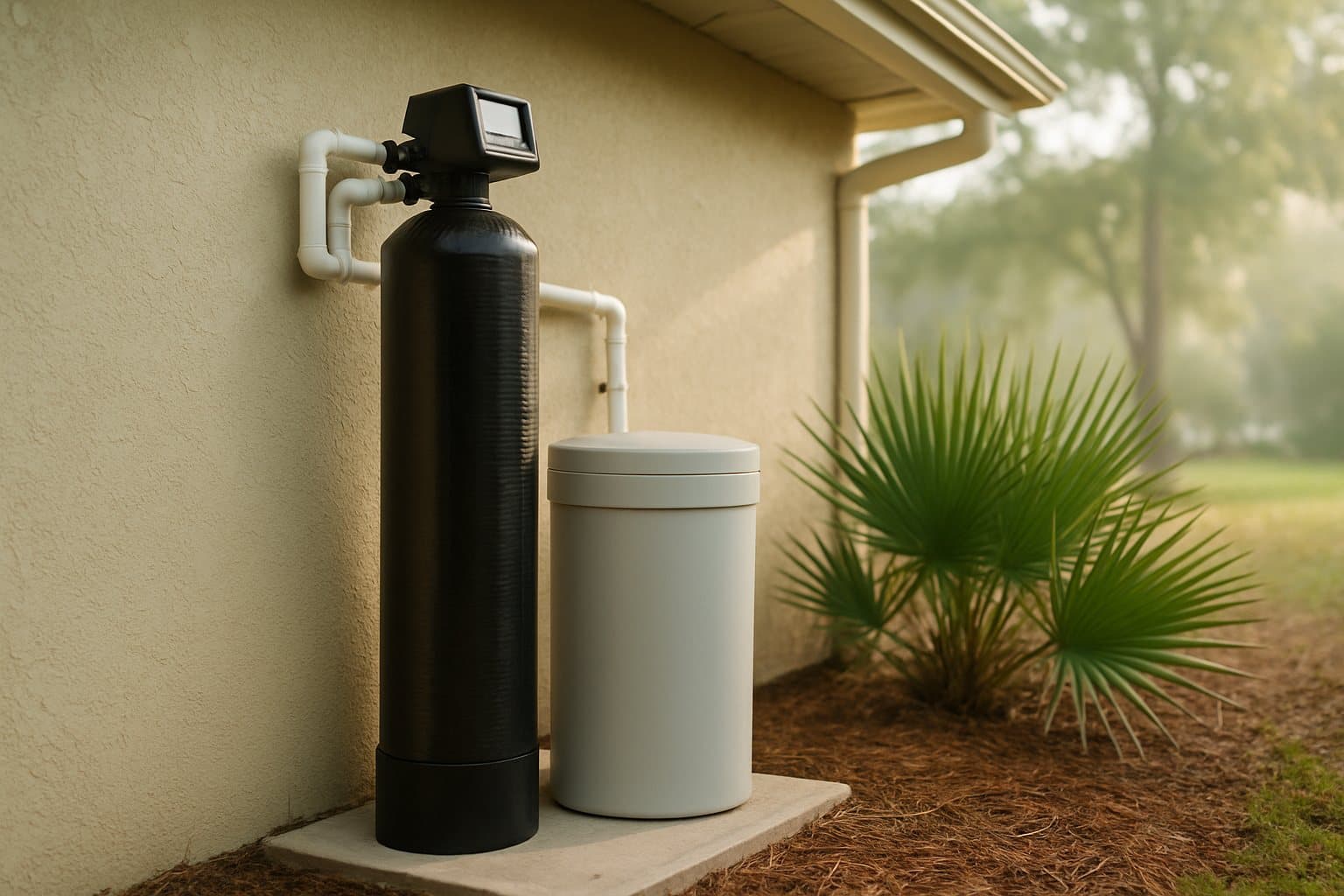
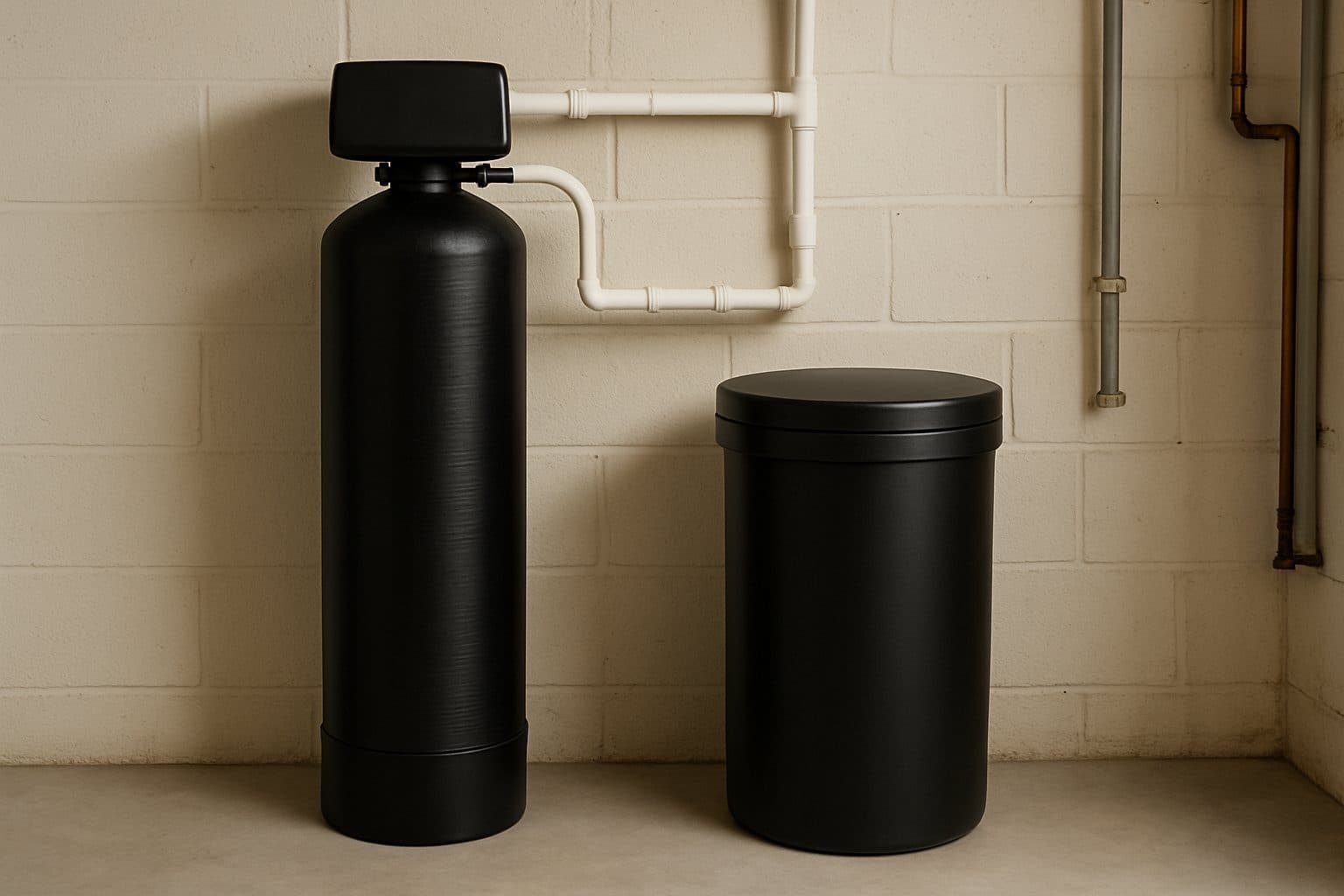
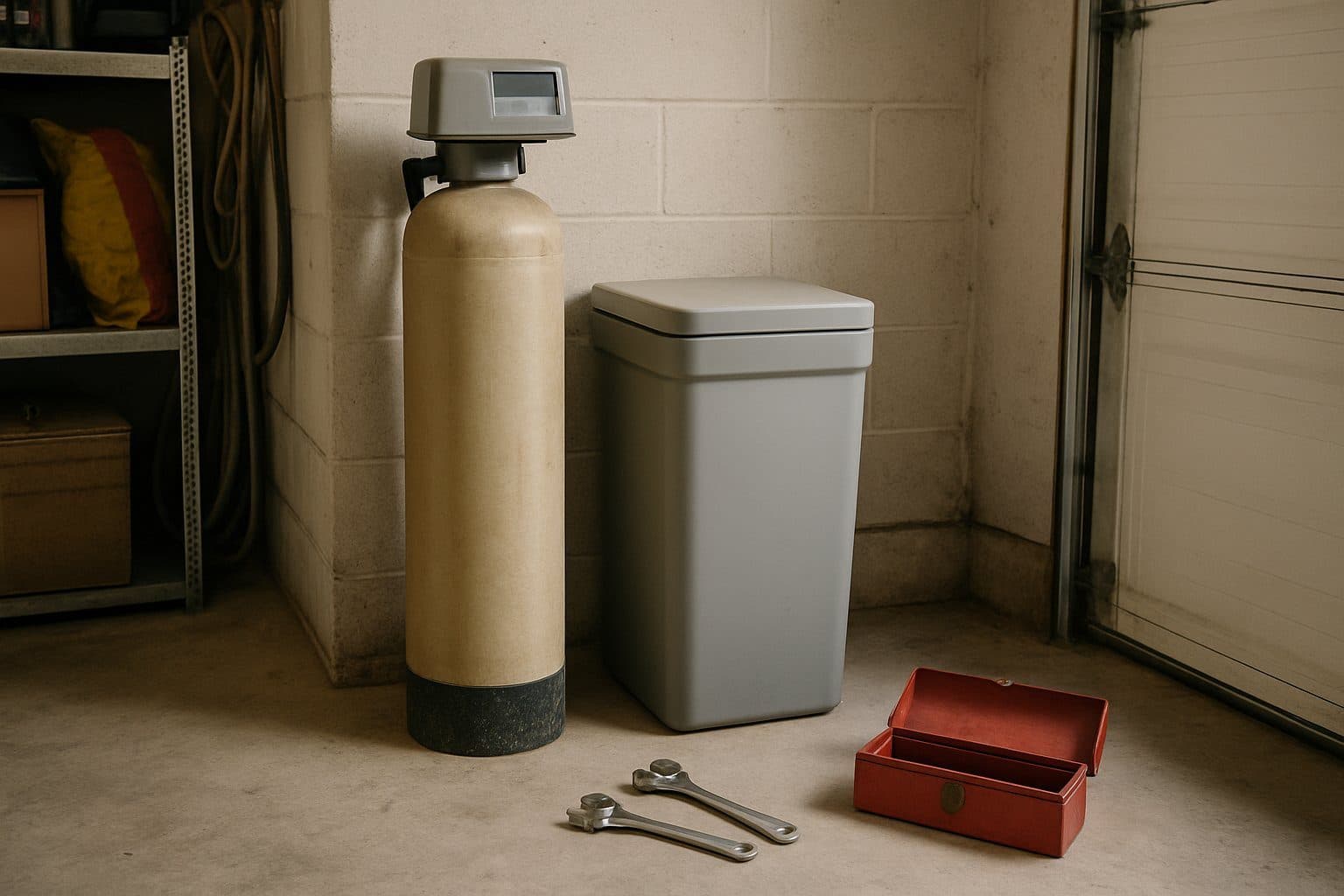
Read the guide →Softener makers say keep it from freezing and out of direct sun. What Mobile's 6°F night in 2025 and Hurricane Sally's surge mean for where yours goes.
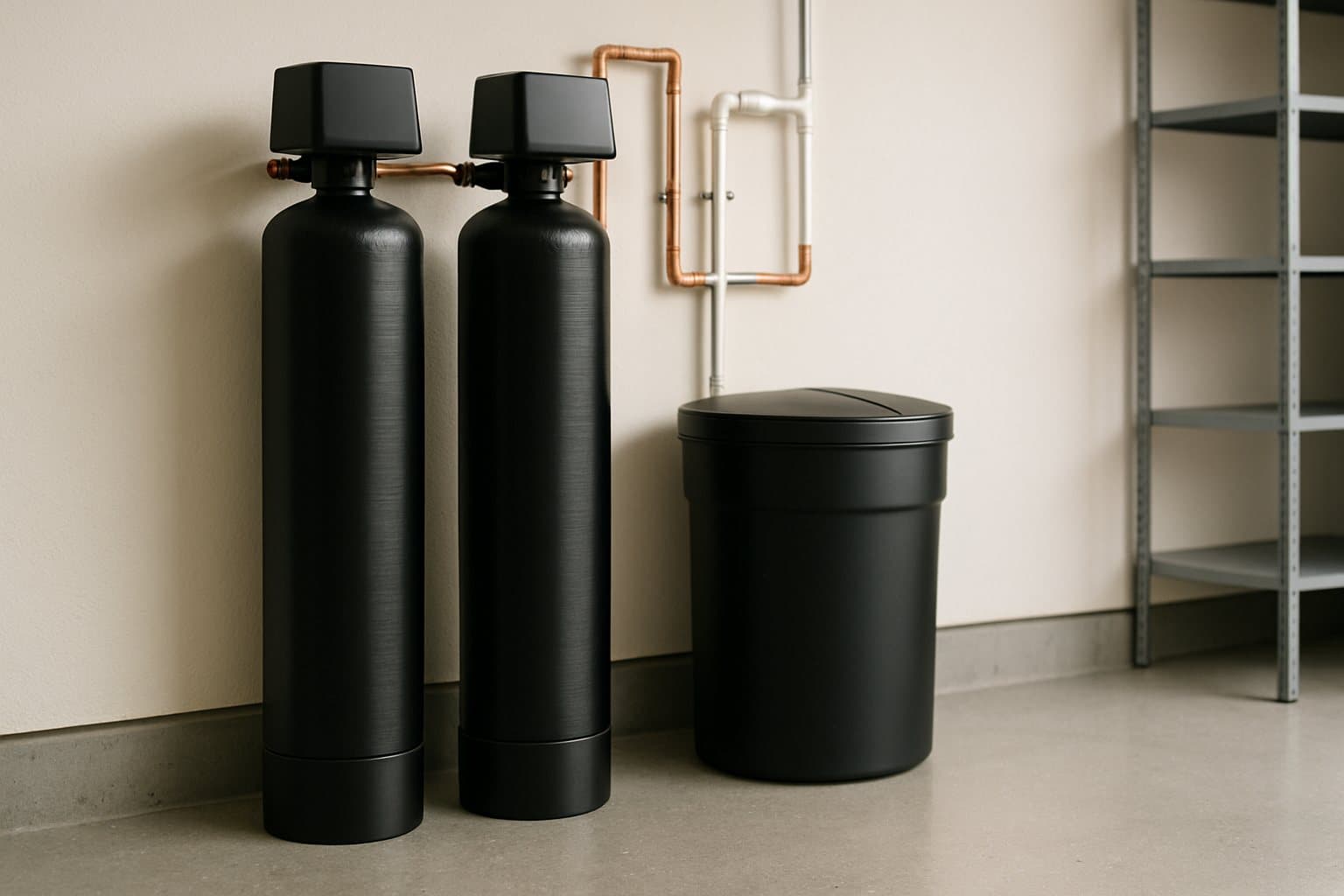
Read the guide →A softener removes hardness and a carbon filter removes chlorine taste. On Mobile's soft, chlorinated water the filter often matters more. How to tell.
Read the guide →Local groundwater runs a median pH of 6.69 in Mobile and 6.88 in Baldwin. Below about 6.5, copper starts dissolving — and the stain is the receipt.
Read the guide →Often yes. The questions worth settling first are sizing, warranty and who owns the outcome if the unit turns out to be wrong for your water.
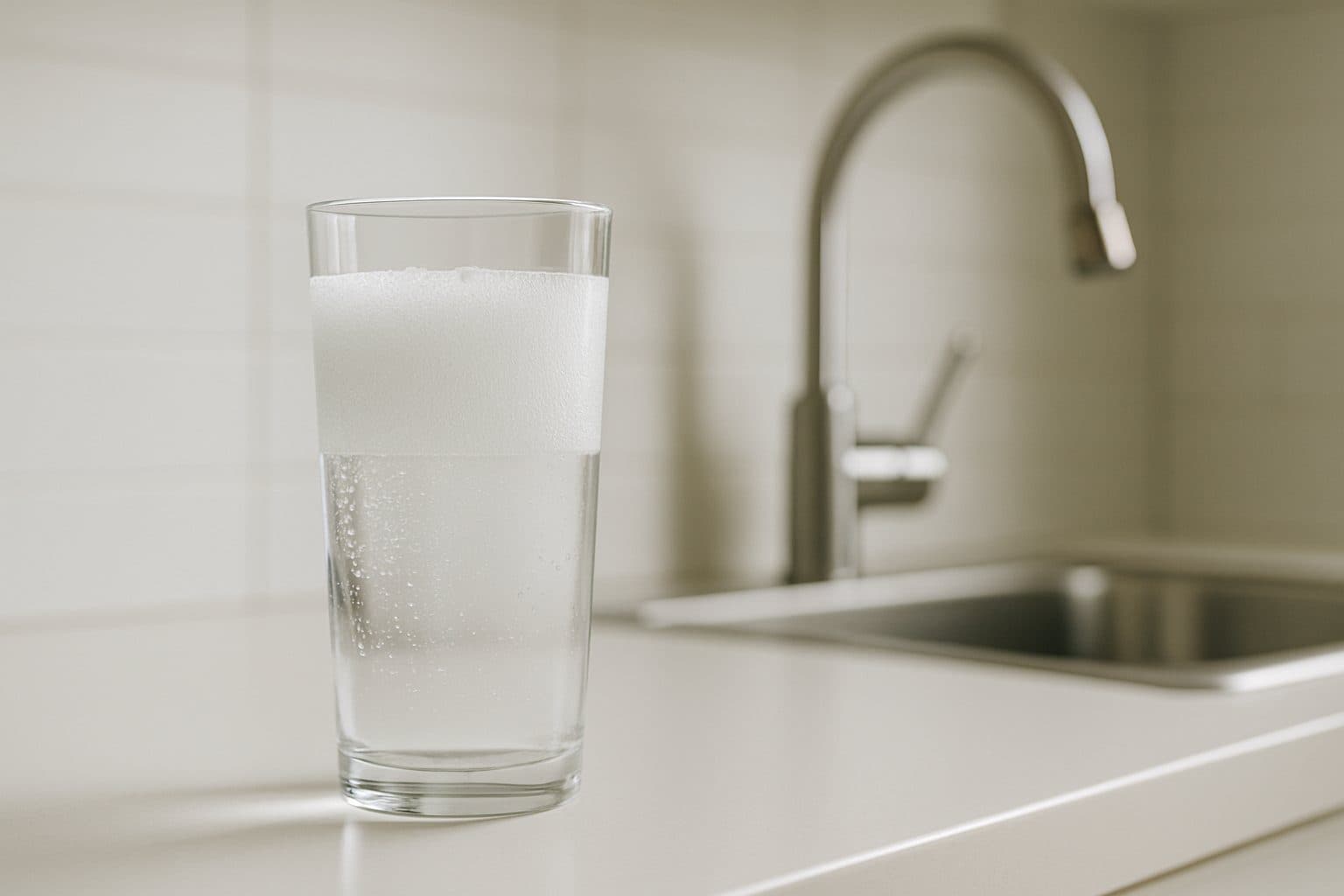
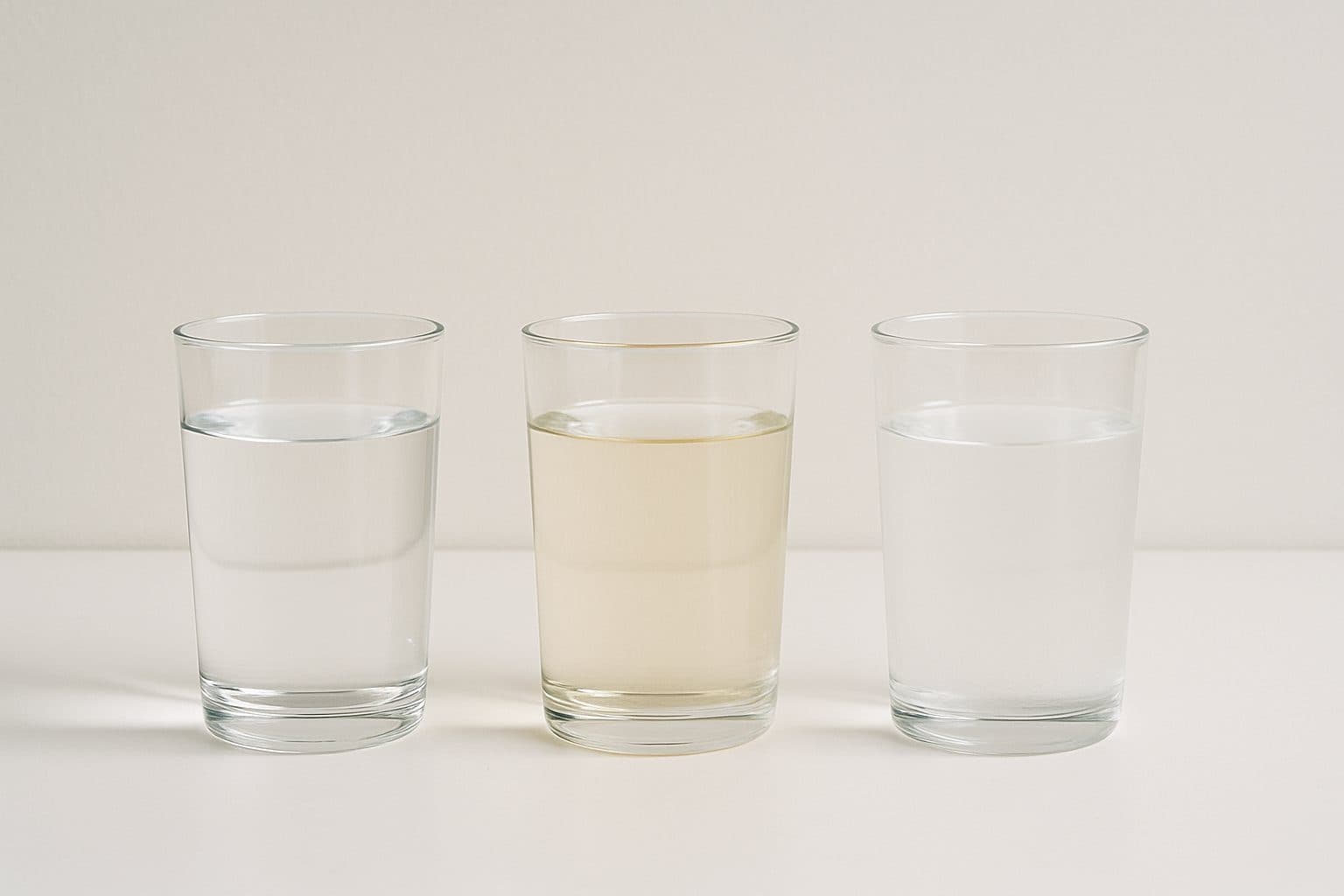
Read the guide →Fill a glass and watch which way it clears. That single observation separates dissolved air from the handful of things actually worth treating.
Read the guide →Published tests put most water here in the USGS soft range: MAWSS reads 2.2 to 2.9 gpg. When a softener earns its place, and the number that decides it.
Read the guide →Yes, usually — and it cannot be a test the buyer, the seller, or a treatment company arranges. The rule is stricter than most people expect.
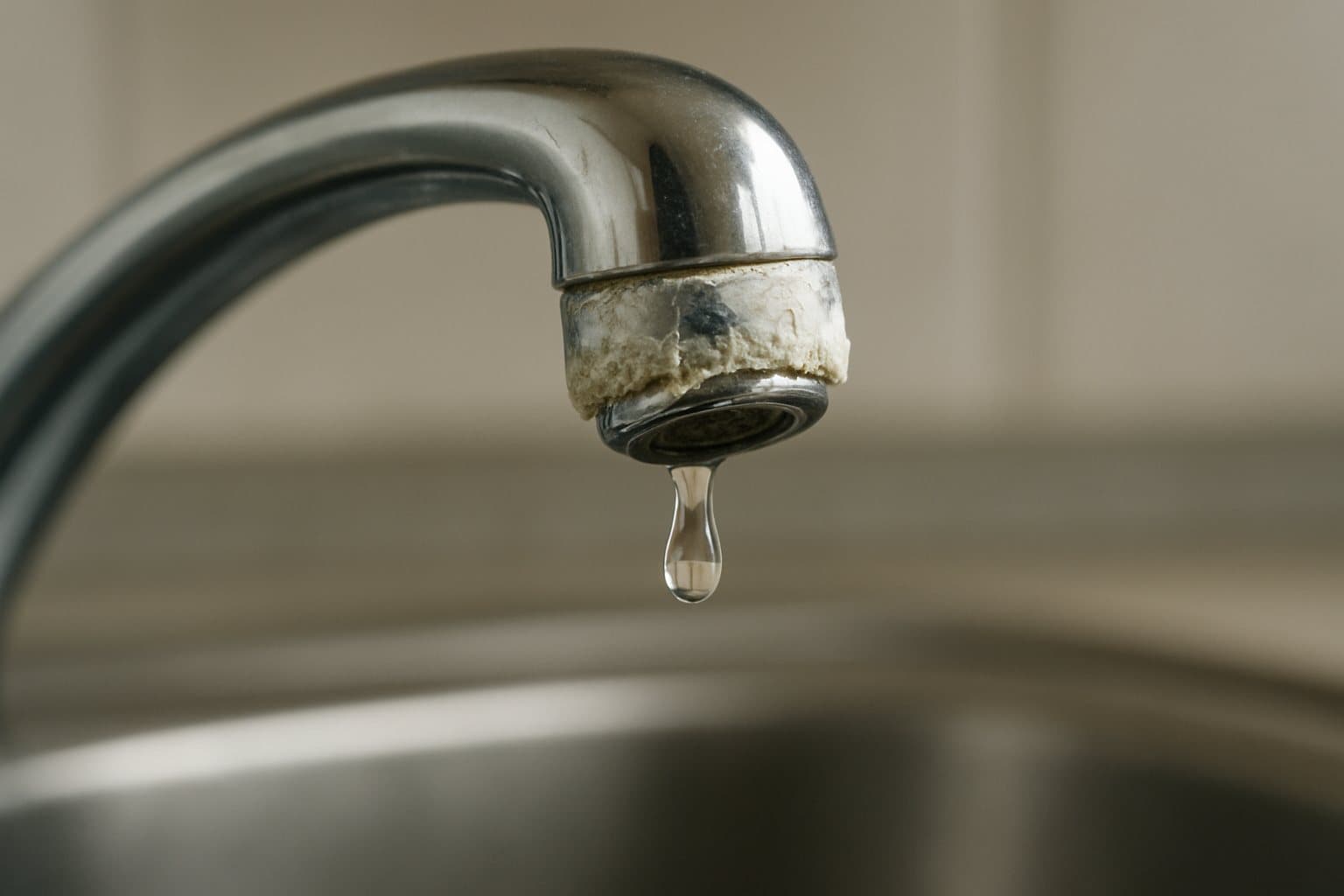
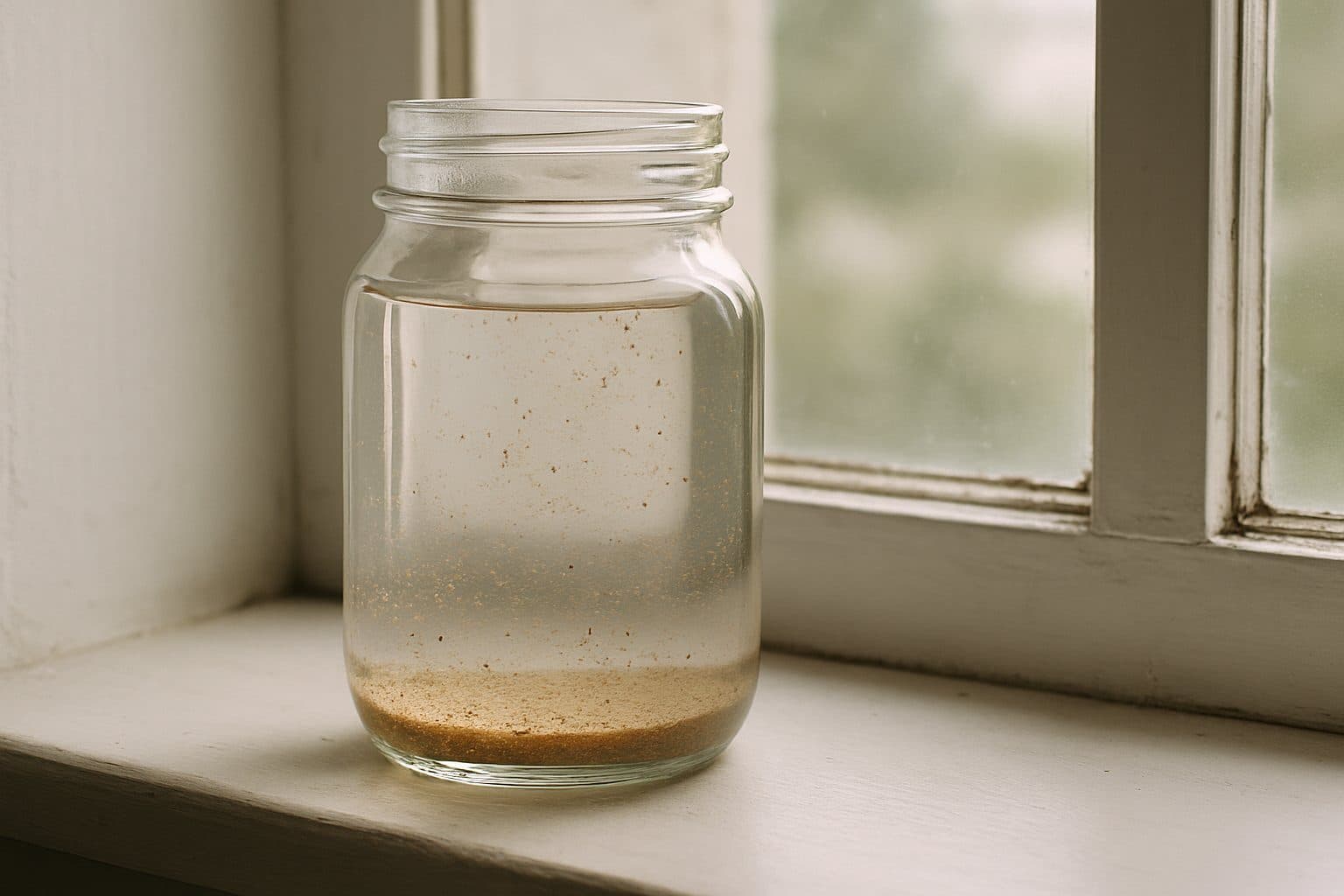
Read the guide →What the particles look like narrows the cause fast — white flakes, black specks and orange grit each point somewhere different.
Read the guide →Depth is not a quality rating, but it is a proxy for the one thing that matters most in a permeable aquifer: separation from the surface.
Read the guide →Salt use is set by how much hardness you remove and how the valve is programmed. A bag a month and a bag a week can both be correct.
Read the guide →Older units send several gallons to the drain for every gallon produced. The ratio varies enormously by design, and one variable dominates it.
Read the guide →Close to the shore the water table can sit within a few feet of sea level. That proximity shapes contamination risk, storm response and well siting.
Read the guide →A softener that has failed looks exactly like one that is working. Four checks you can run yourself before anyone quotes you a replacement.
Read the guide →Alabama keeps caveat emptor on used homes. The seller generally has no duty to volunteer anything — but a direct question changes that.
Read the guide →What hardness to set on a water softener, how to read the current setting, and why a guessed number wastes salt and water with every regeneration.
Read the guide →Five abbreviations do most of the work on a water report, and two of them are not enforceable at all. Which is which changes what a detection means.
Read the guide →Most well findings are a slow conversation. Nitrate above the limit, with an infant in the house, is not one of them.
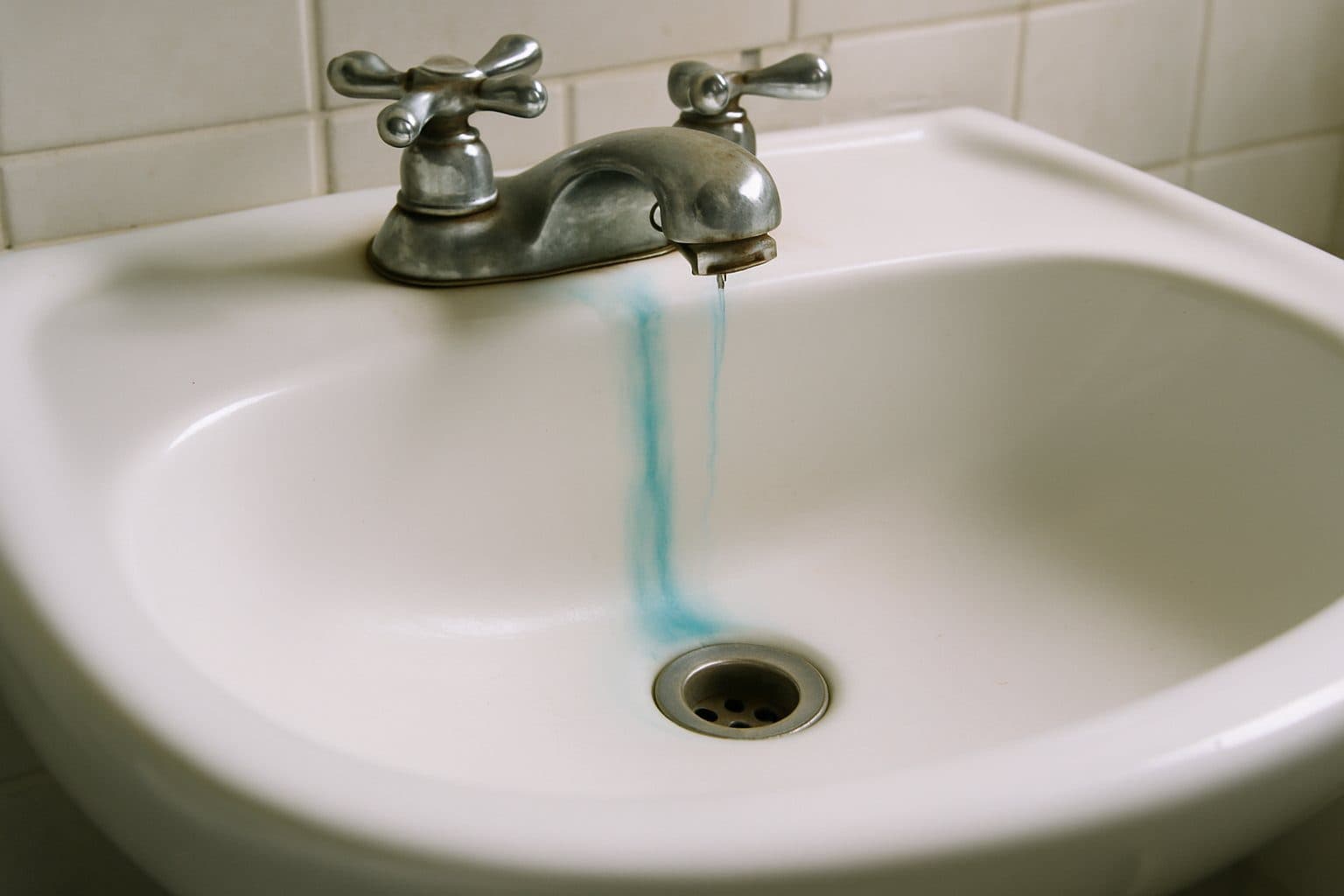
Read the guide →One removes hardness minerals. The other changes their shape so they stop sticking. What that means for your pipes and water heater.
Read the guide →Softening water for the lawn costs salt and buys nothing. Whether your outside taps are already bypassed is worth checking rather than assuming.
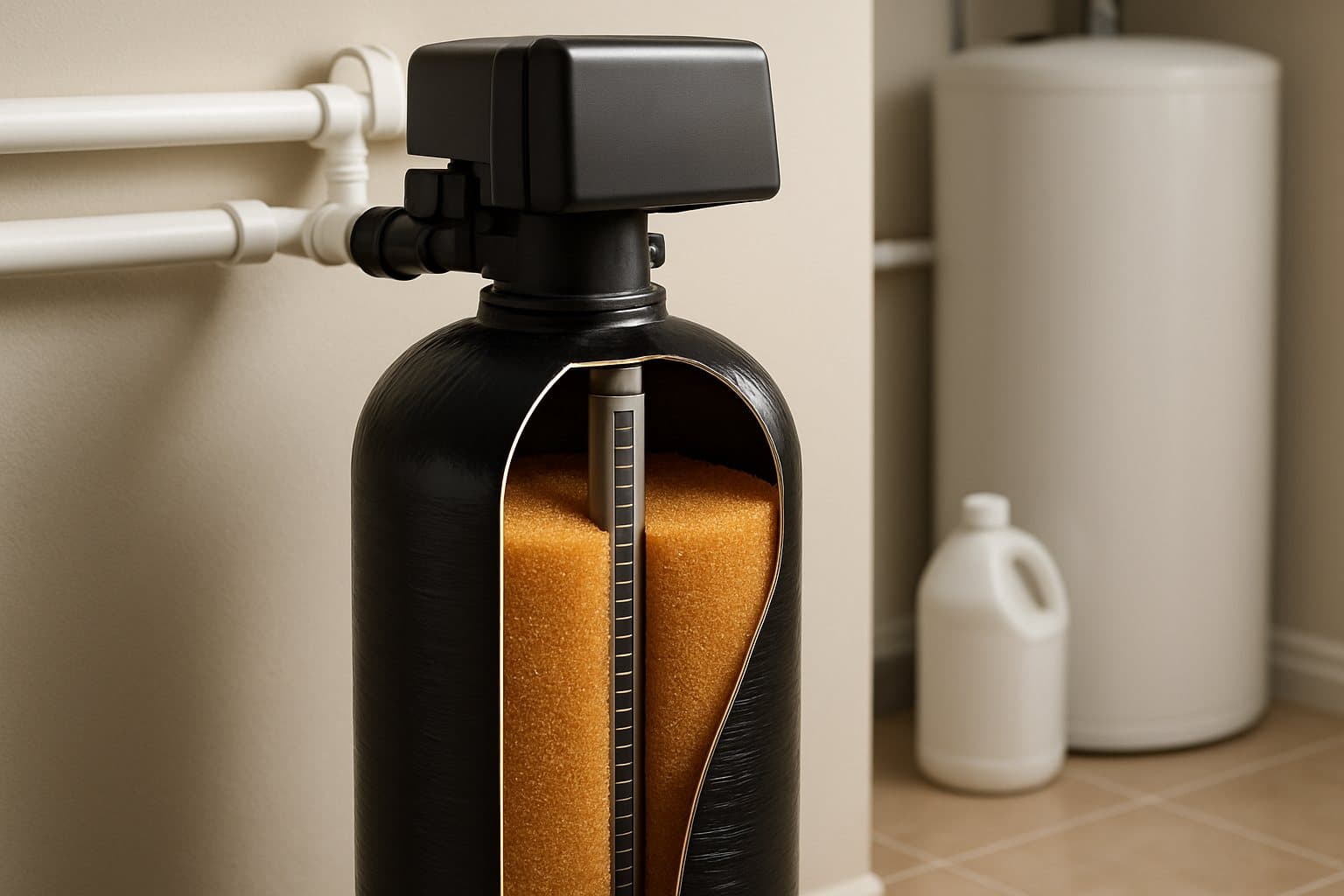
Read the guide →Resin usually outlasts the valve. When it does fail early, the cause is almost always something upstream that should have been treated first.
Read the guide →Named in 1916 from outcrops in Mobile County, the Citronelle Formation supplies most Gulf Coast private wells. Its best quality is also its weakness.
Read the guide →Radium shows up in all 15 public water systems serving Mobile and Baldwin County. Every reading is legal. Here is what that actually means.
Read the guide →In a caveat emptor state a vague conversation buys you nothing. Specific written questions are the thing that shifts the obligation.
Read the guide →Iron, manganese, pH and dissolved solids are covered by standards that are guidance rather than law — and they cause most of what people complain about.
Read the guide →Federal law makes your utility send you a Consumer Confidence Report by July 1. It is useful, and it describes the plant — not your kitchen tap.
Read the guide →The most common finding on Gulf Coast water reports. They exist because the alternative is worse — and they come off with carbon at the tap.
Read the guide →Chlorine, chloramine and chlorine dioxide taste different and need different filters. Using the wrong carbon is why some filters seem to do nothing.
Read the guide →Whoever put it in, it still needs salt, filters, lamps and a valve that works. Here is what we can help with and what we would hand on.
Read the guide →We pulled every EPA violation record for the 15 water systems serving Mobile and Baldwin County. 819 records. Two involved water quality.
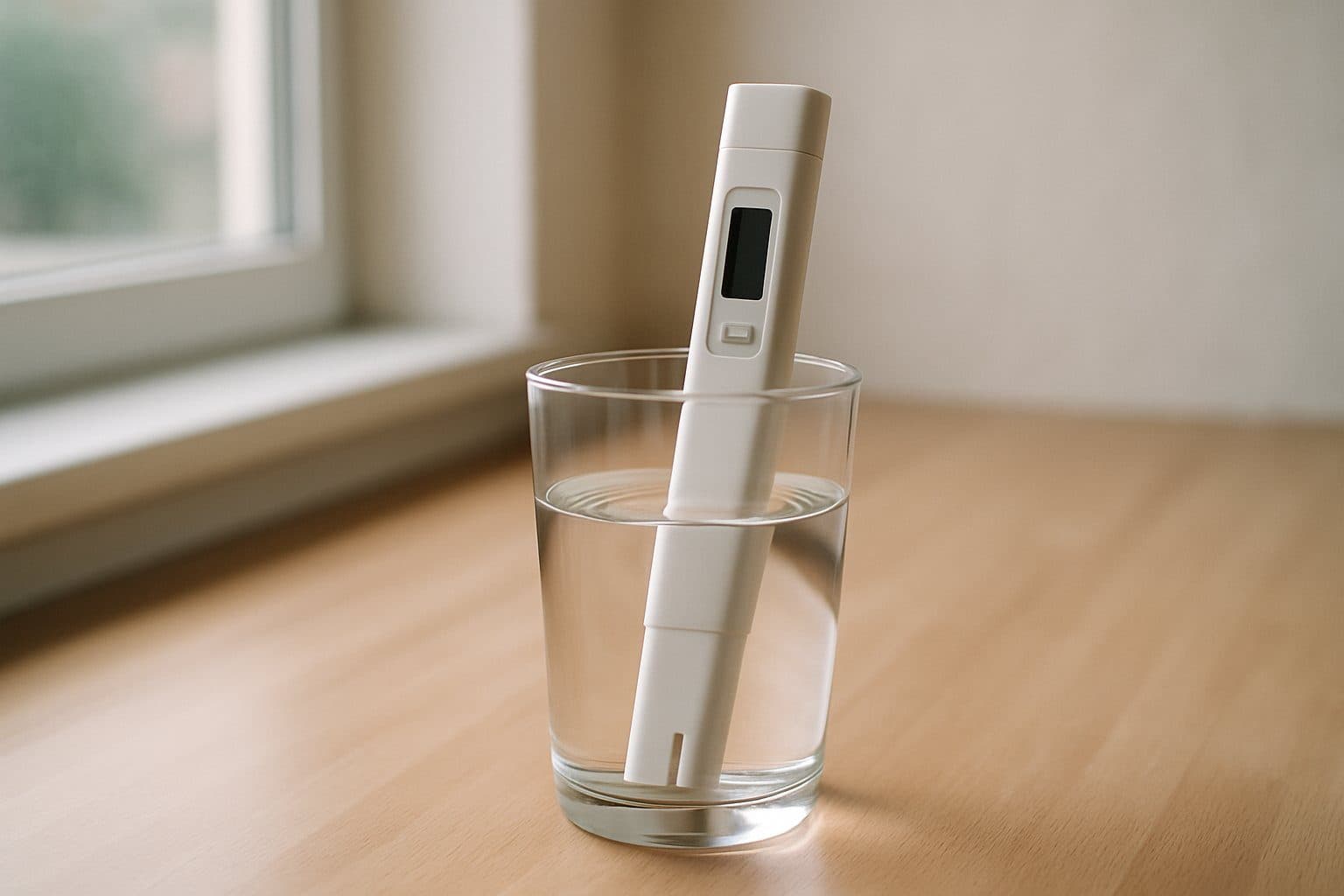
Read the guide →TDS is the number every cheap meter reads, and it is the least diagnostic number on a water test. Here is what it can and cannot tell you.
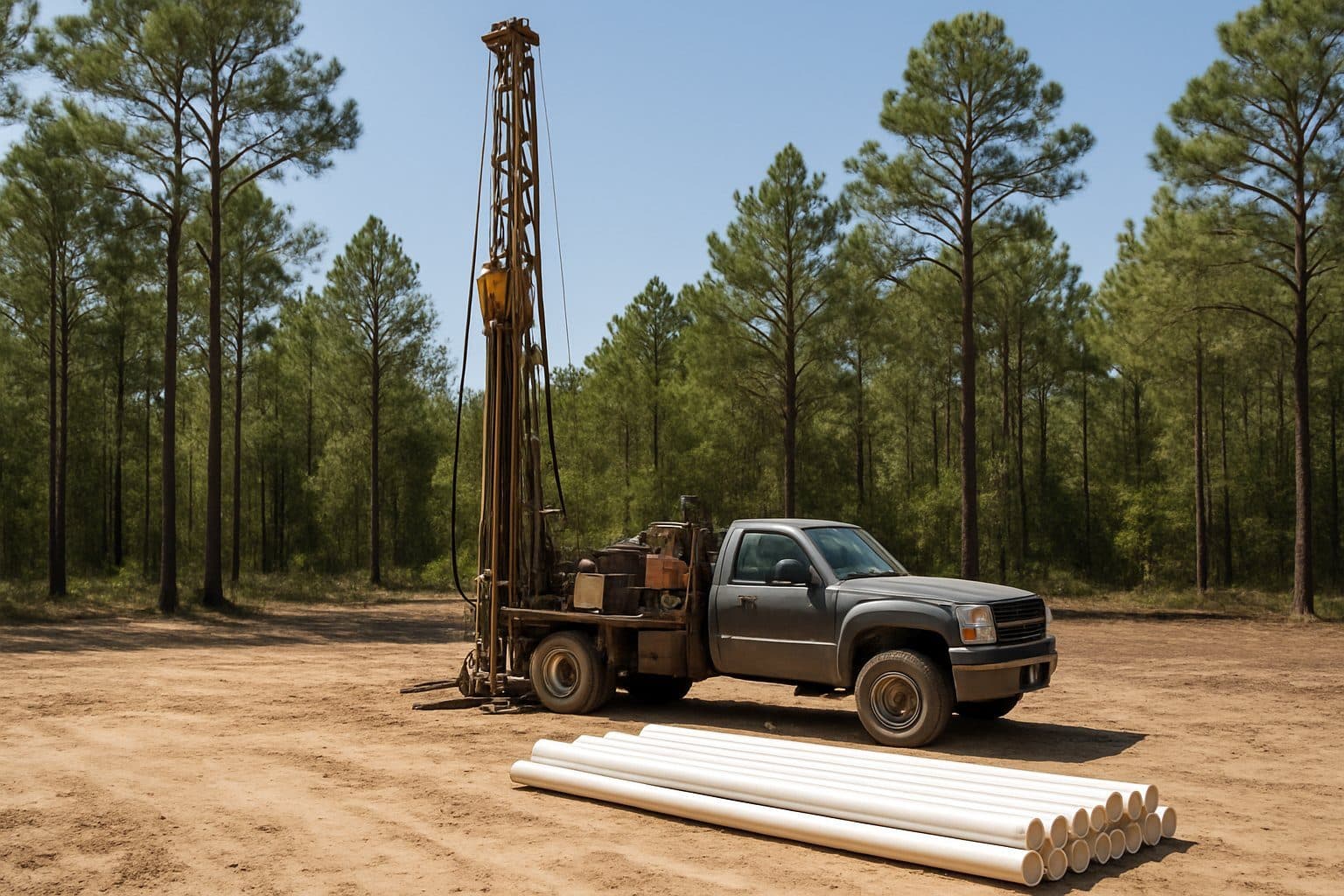
Read the guide →Drilling is priced by depth and geology, and we are not the people to ask. What we can tell you is which questions change the number.
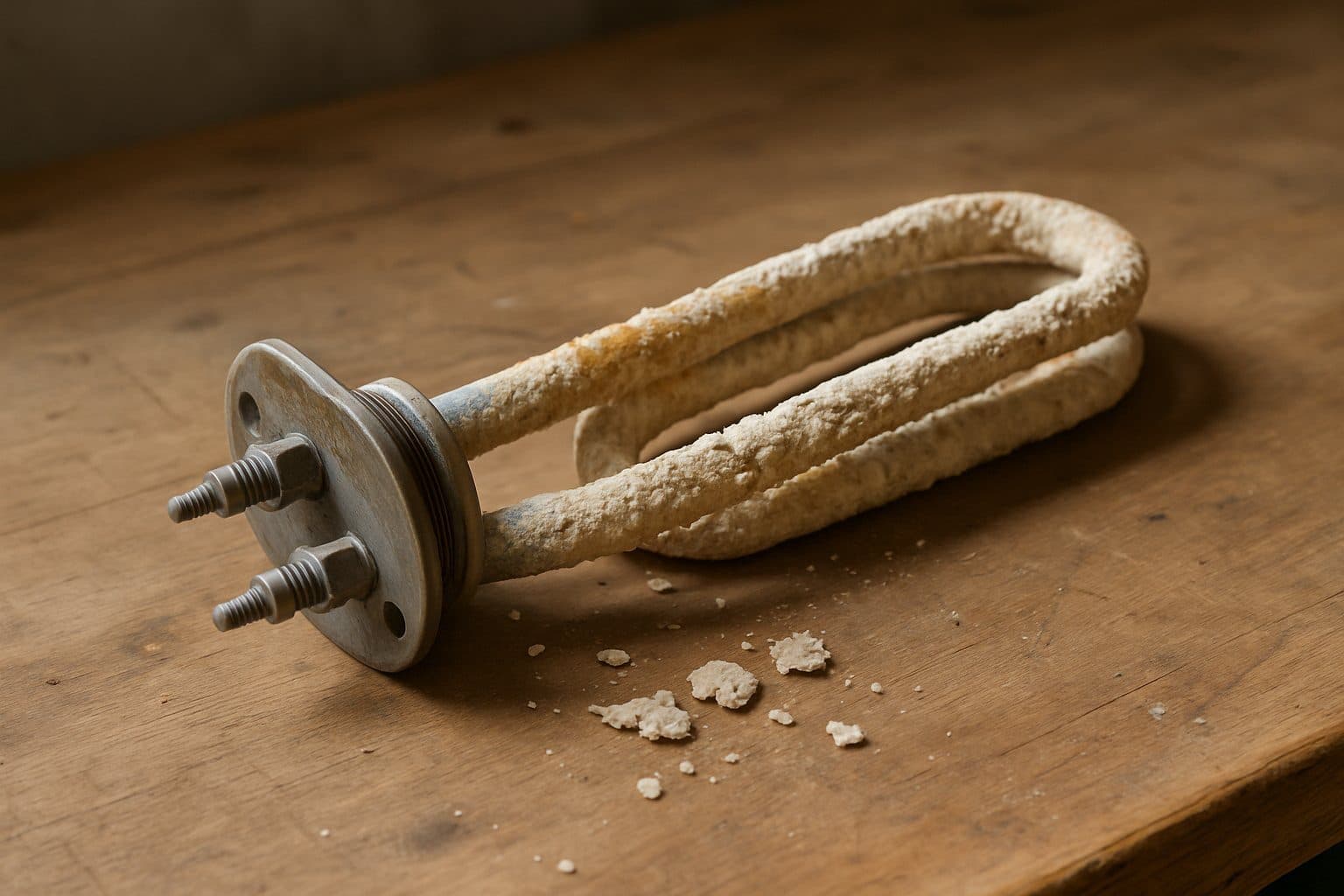
Read the guide →Scale does not block the tank. It insulates the heat source from the water, which is why the symptom is a rising bill before it is a failure.
Read the guide →Two proposed rules, and only one is a rescission. The limits for PFOA and PFOS are not being withdrawn — the compliance deadline is what may move.
Read the guide →MAWSS serves about 279,000 people. Twelve contaminants sit above health guidelines, every one legal, and four of them have no legal limit at all.
Read the guide →Three different tests, three different providers, and only one of them is us. Which you need depends on the question you are trying to answer.
Read the guide →Two different problems look identical on a glass, and one is permanent. A vinegar soak tells you which you have in ten minutes.
Read the guide →A metallic taste usually means dissolved metal, and the two candidates behave differently. Which tap it comes from narrows it immediately.
Read the guide →RO removes the dissolved minerals that give water its taste along with everything else. The fix is a remineralisation stage, not a different membrane.
Read the guide →It is not leftover soap. The slippery feel is what skin does when no hardness remains to make soap scum — and it means the unit is working.
Read the guide →NSF's UV standard assumes iron below 0.3 mg/L. Local groundwater exceeds that at 70 to 76% of sampled sites. That is the whole problem in one line.
Read the guide →If the smell is only on the hot side, the water heater is involved — and the usual cause is a reaction between the anode rod and bacteria in the tank.
Read the guide →Same street, same aquifer or same main, different water. Four mechanisms explain nearly every case, and two of them are inside your own house.
Read the guide →The regeneration cycle sends untreated water past the resin and dumps brine to drain. Doing it while nobody is awake is the point.
Read the guide →Total coliform and E. coli are not the same finding and do not carry the same urgency. Knowing which one you have changes what happens next.
Read the guide →Send your ZIP and what you're seeing in your water. We call back within the hour during business hours.