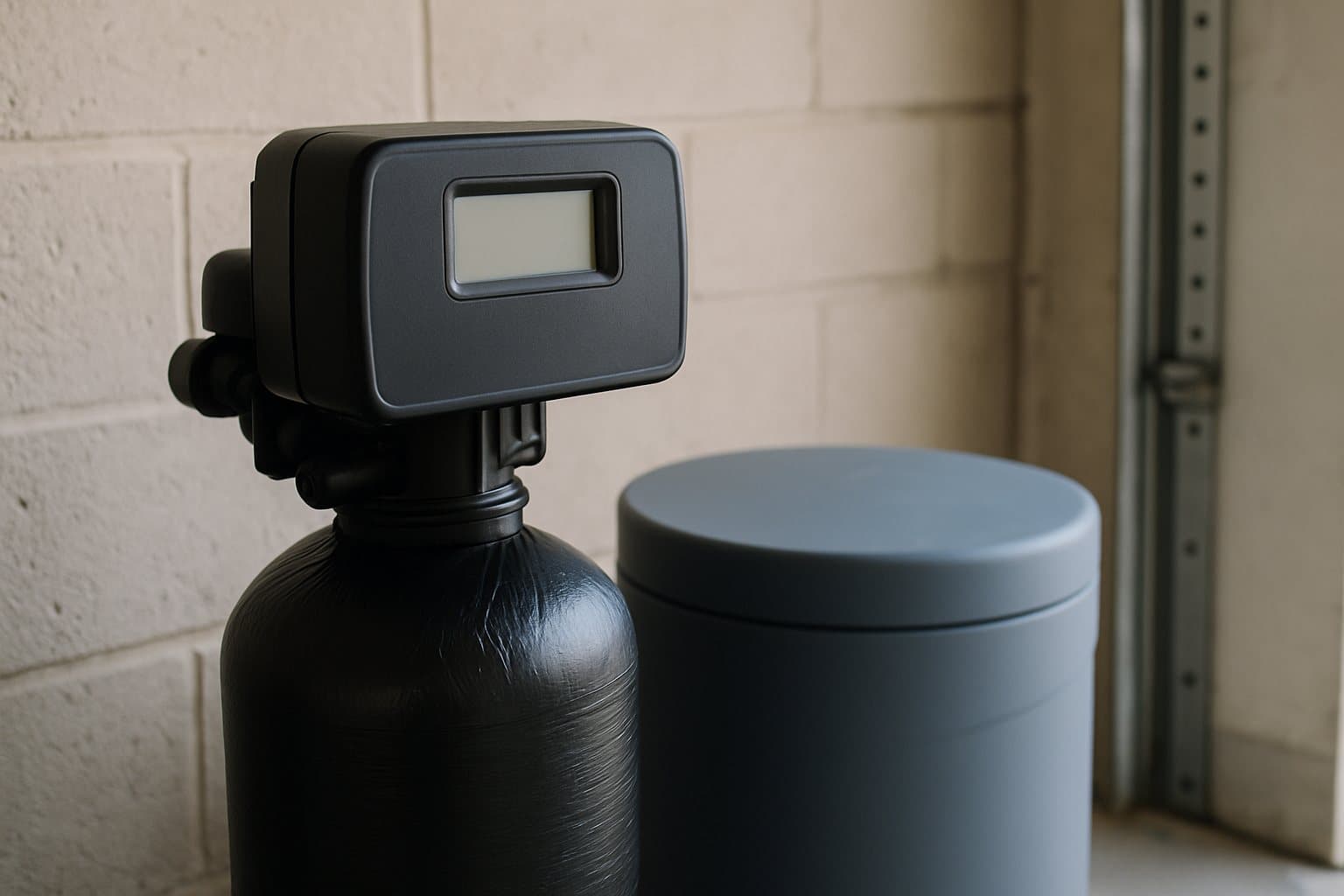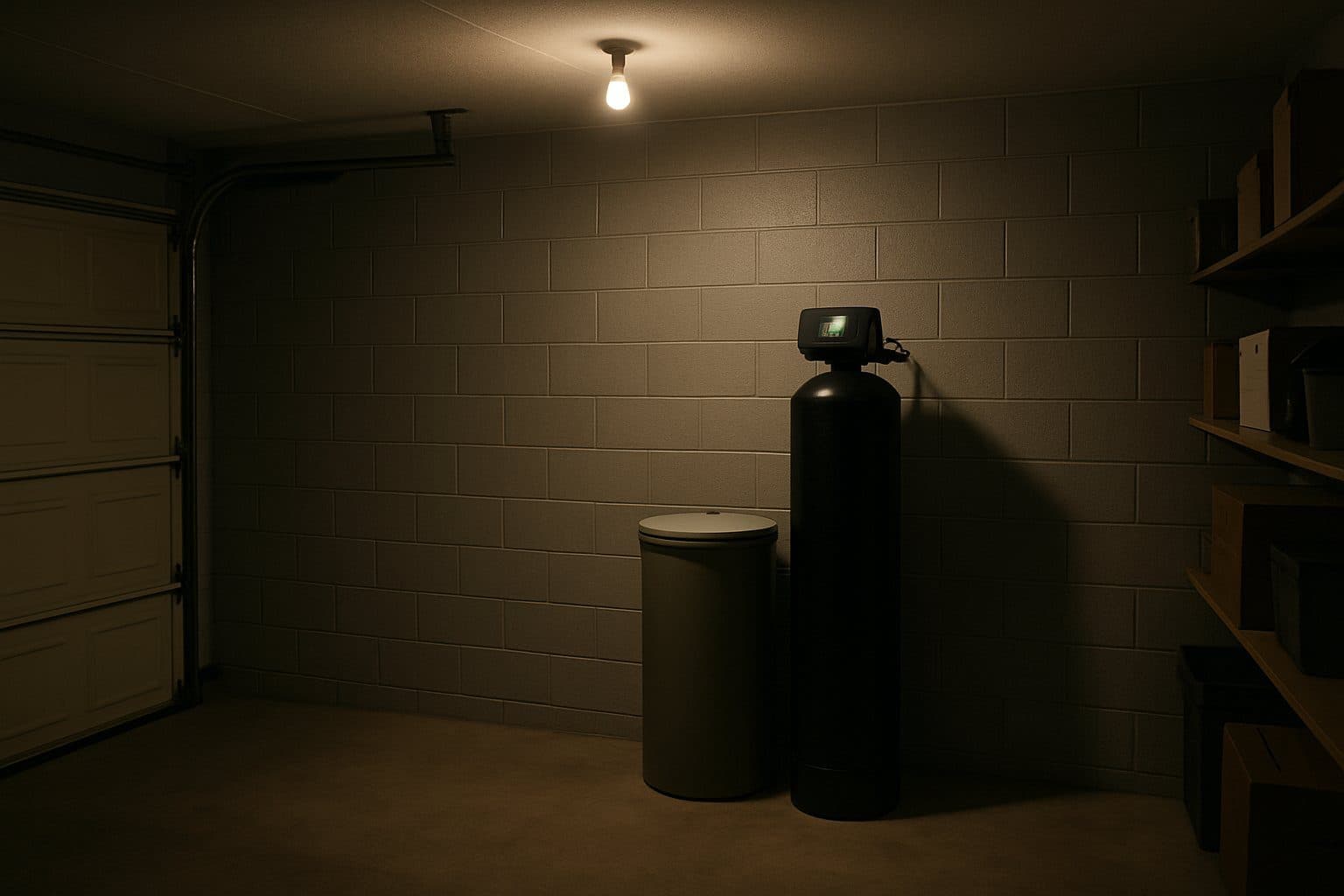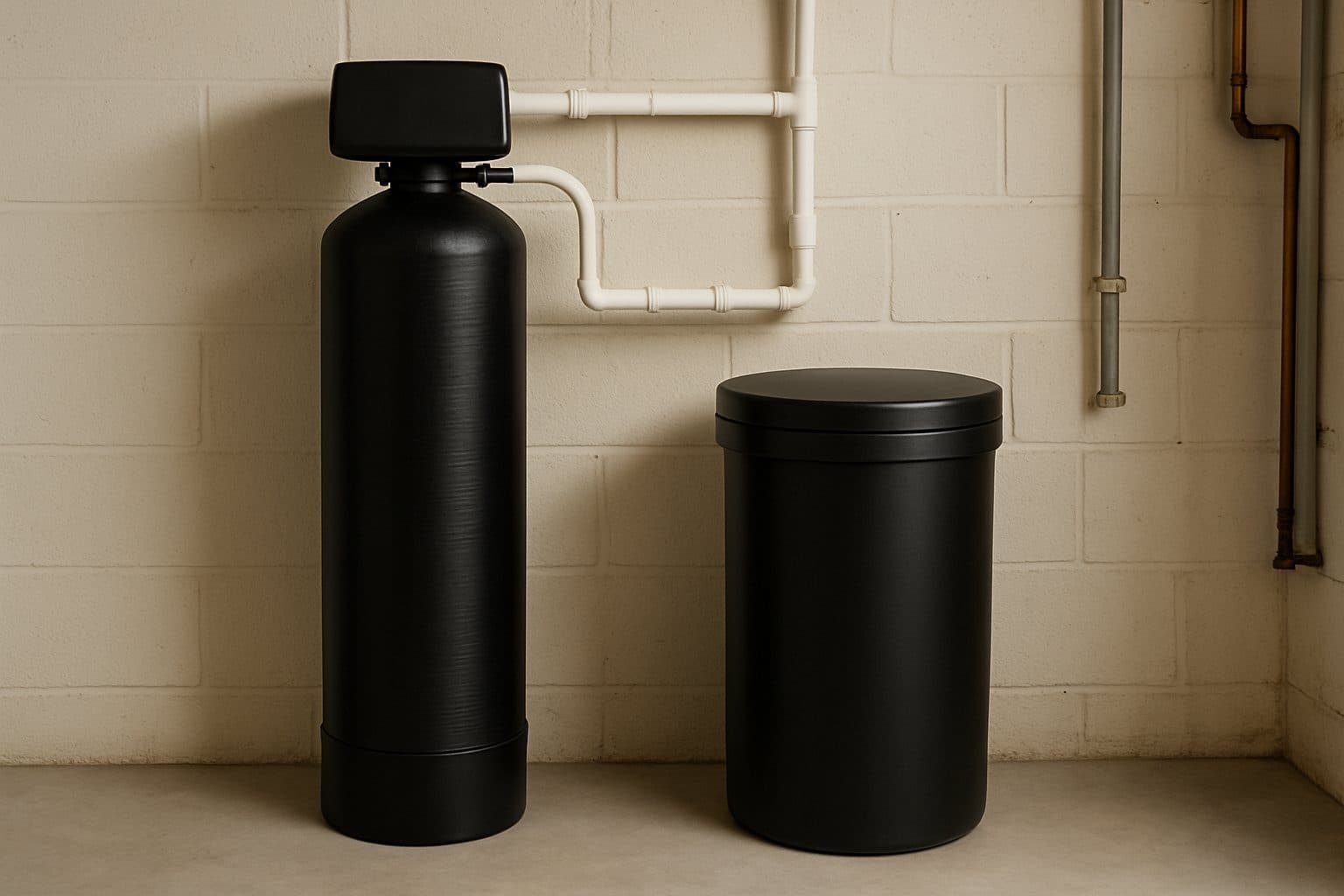
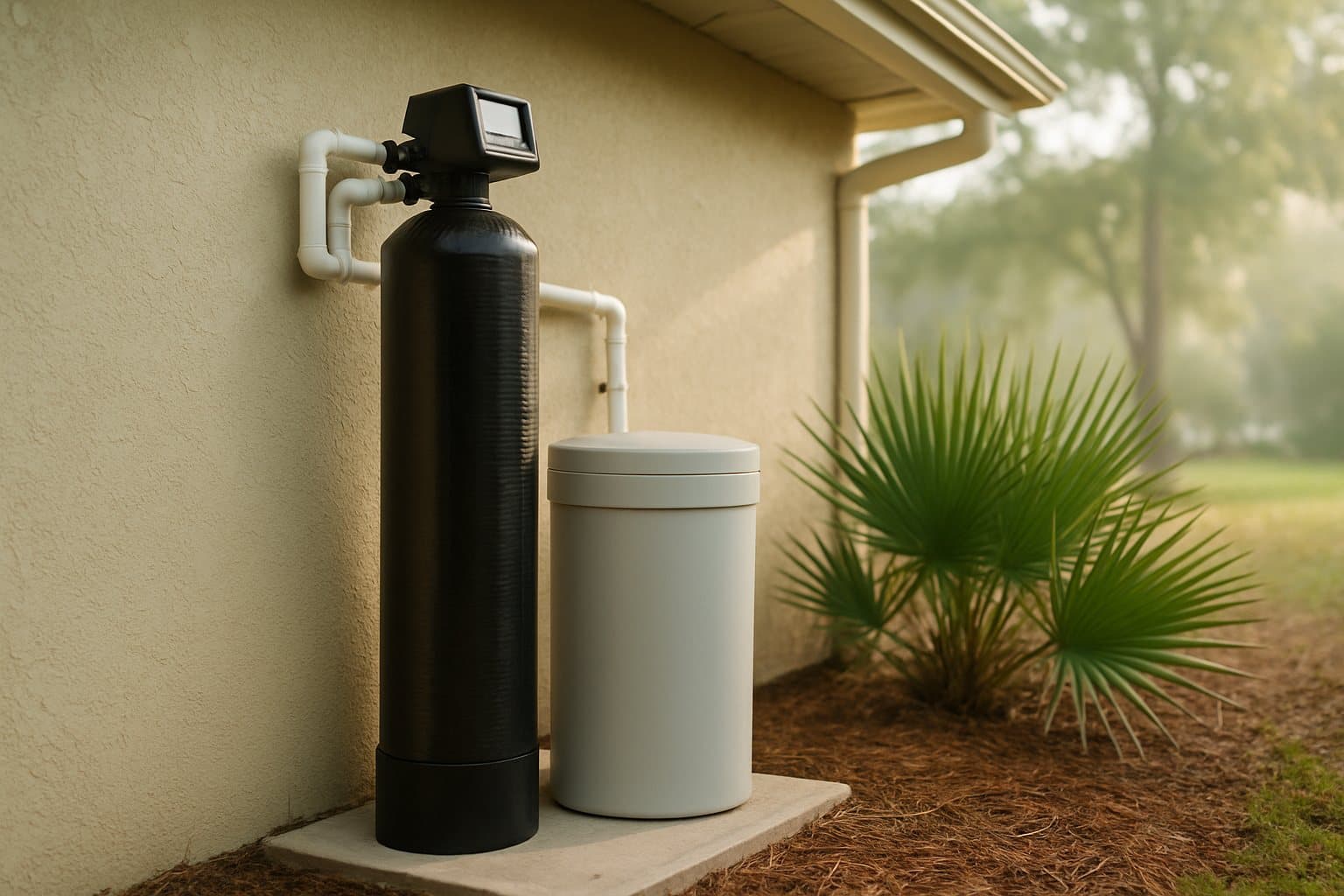
Water Softener Inside or Outside on the Gulf Coast?
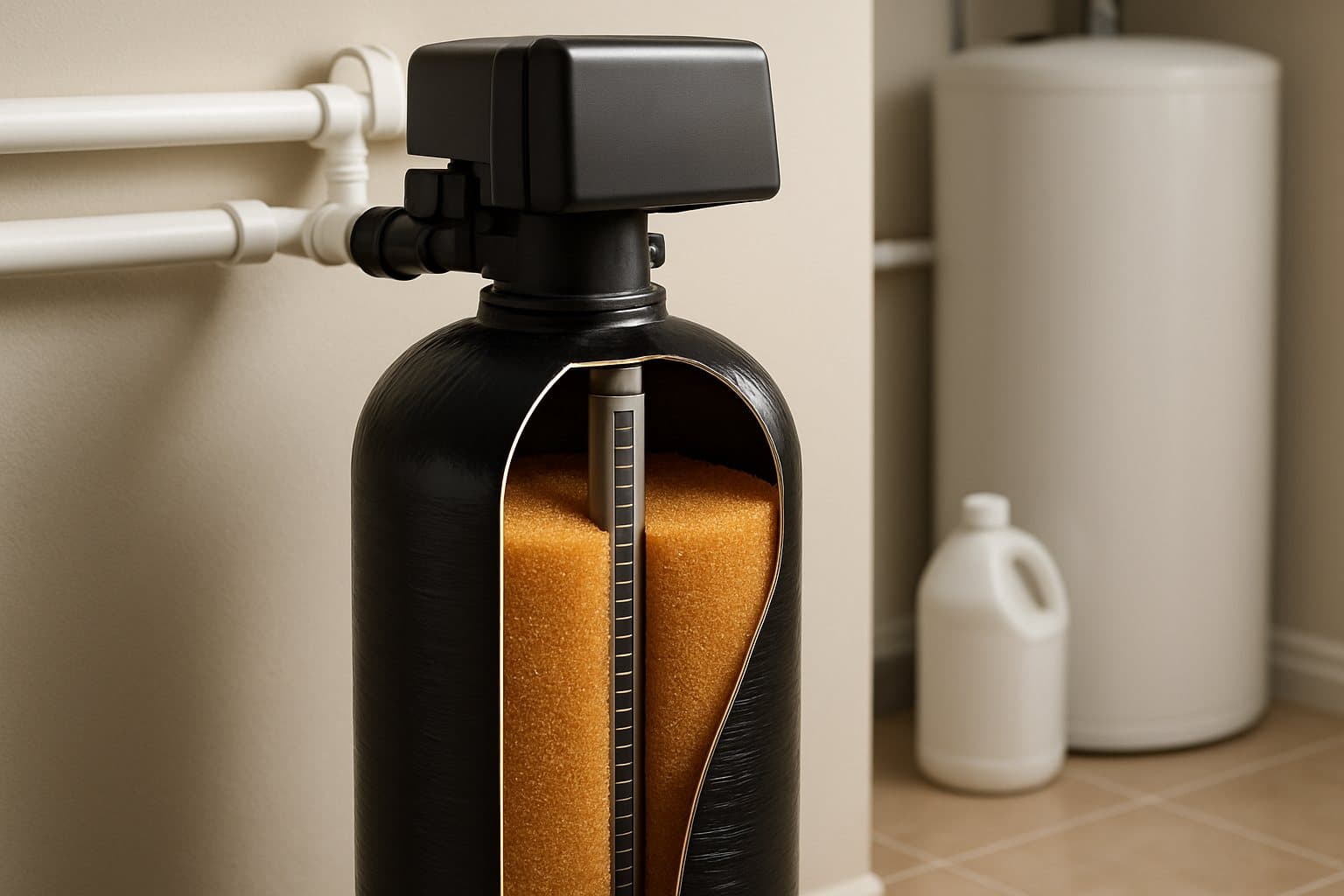
Softener makers say keep it from freezing and out of direct sun. What Mobile's 6°F night in 2025 and Hurricane Sally's surge mean for where yours goes.
6 min read

Serving Mobile + Baldwin County, AL
Free in-home water test · results while we're there
10 articles
How softeners work, how they fail without telling you, and what the salt is actually doing. Written for people who already own one as much as for people considering it.
Softener makers say keep it from freezing and out of direct sun. What Mobile's 6°F night in 2025 and Hurricane Sally's surge mean for where yours goes.
6 min read
What hardness to set on a water softener, how to read the current setting, and why a guessed number wastes salt and water with every regeneration.
6 min read
Published tests put most water here in the USGS soft range: MAWSS reads 2.2 to 2.9 gpg. When a softener earns its place, and the number that decides it.
6 min read
It is not leftover soap. The slippery feel is what skin does when no hardness remains to make soap scum — and it means the unit is working.
4 min read
The regeneration cycle sends untreated water past the resin and dumps brine to drain. Doing it while nobody is awake is the point.
4 min read
Resin usually outlasts the valve. When it does fail early, the cause is almost always something upstream that should have been treated first.
5 min read
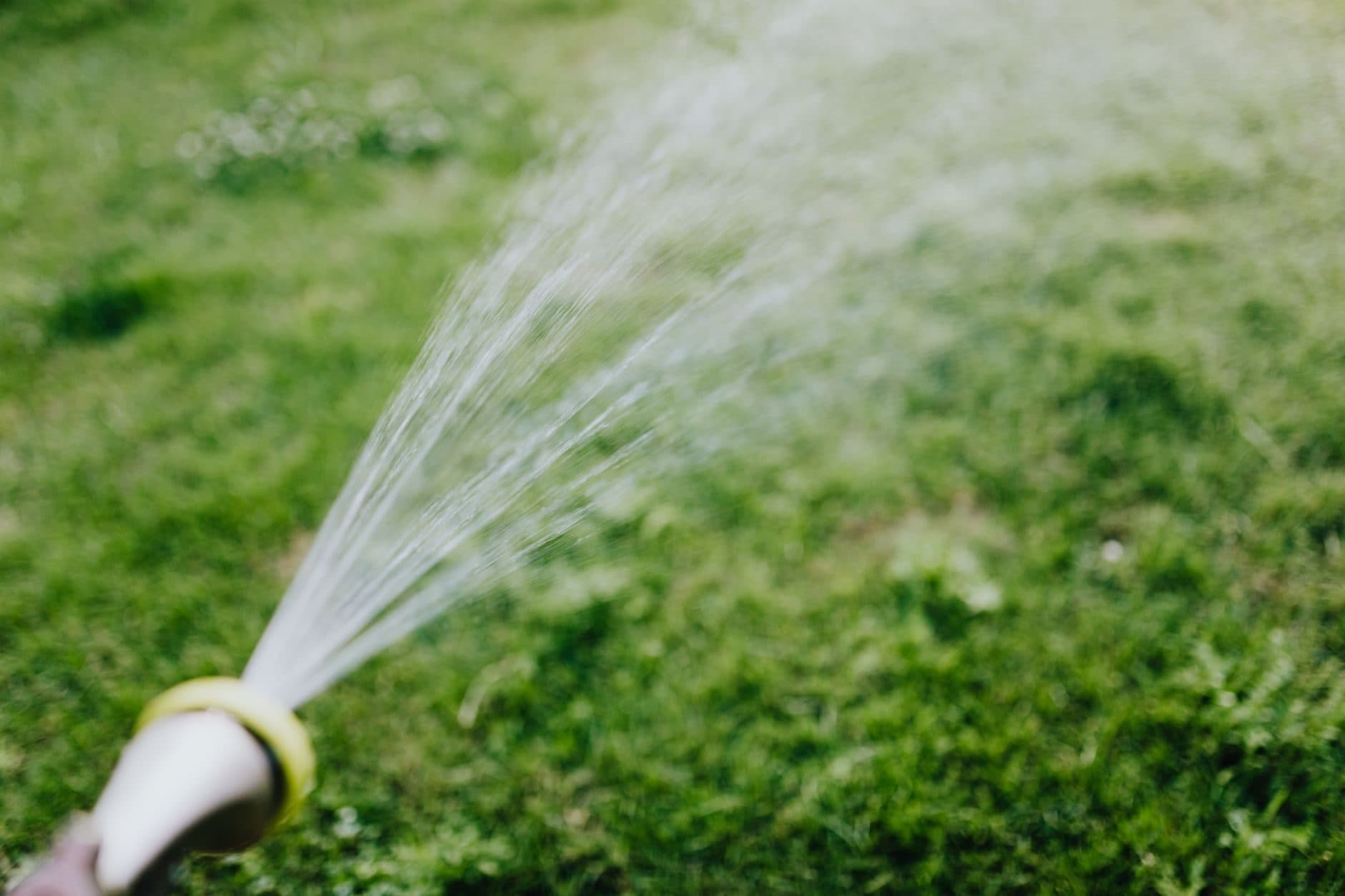
Softening water for the lawn costs salt and buys nothing. Whether your outside taps are already bypassed is worth checking rather than assuming.
4 min read
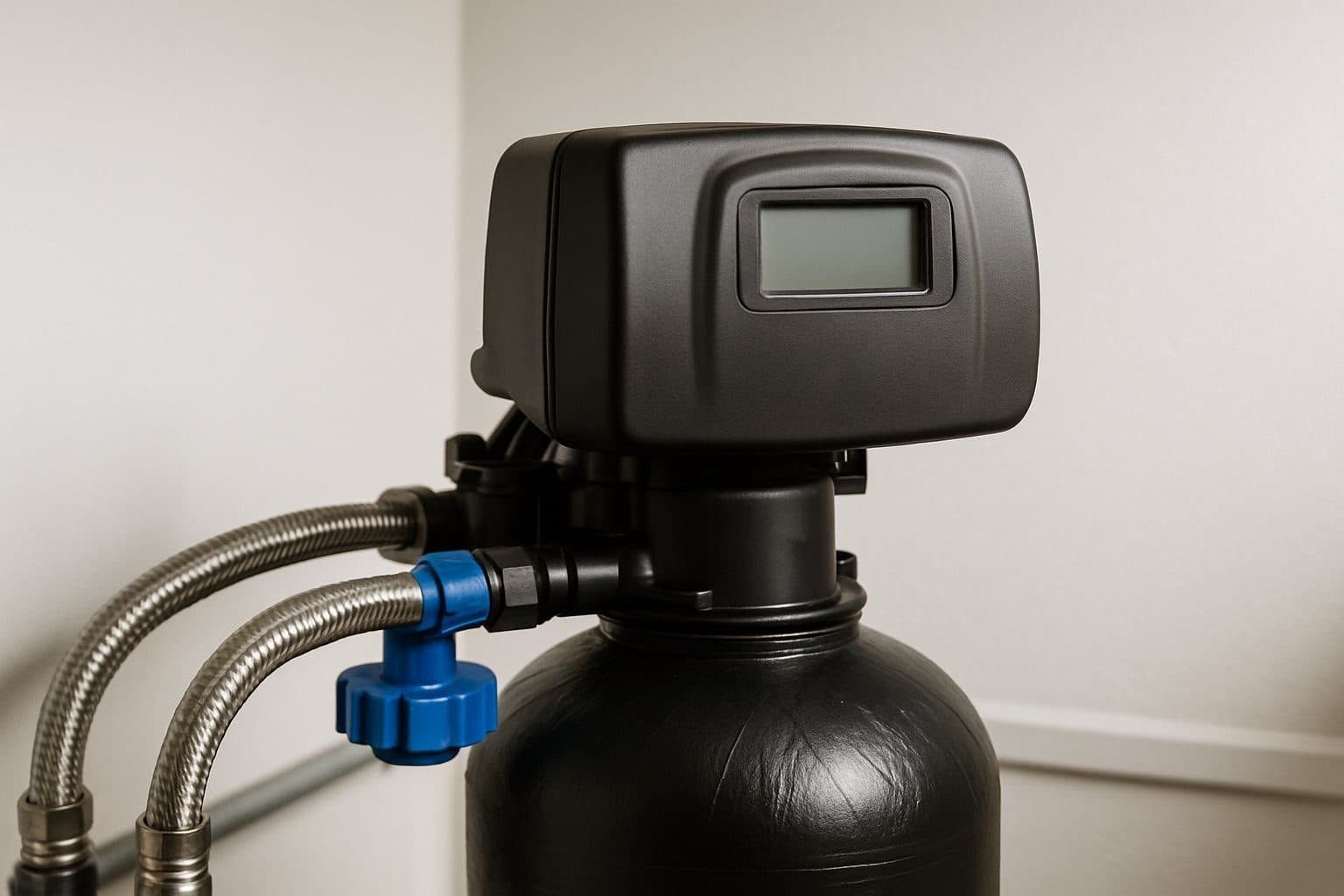
A softener that has failed looks exactly like one that is working. Four checks you can run yourself before anyone quotes you a replacement.
5 min read
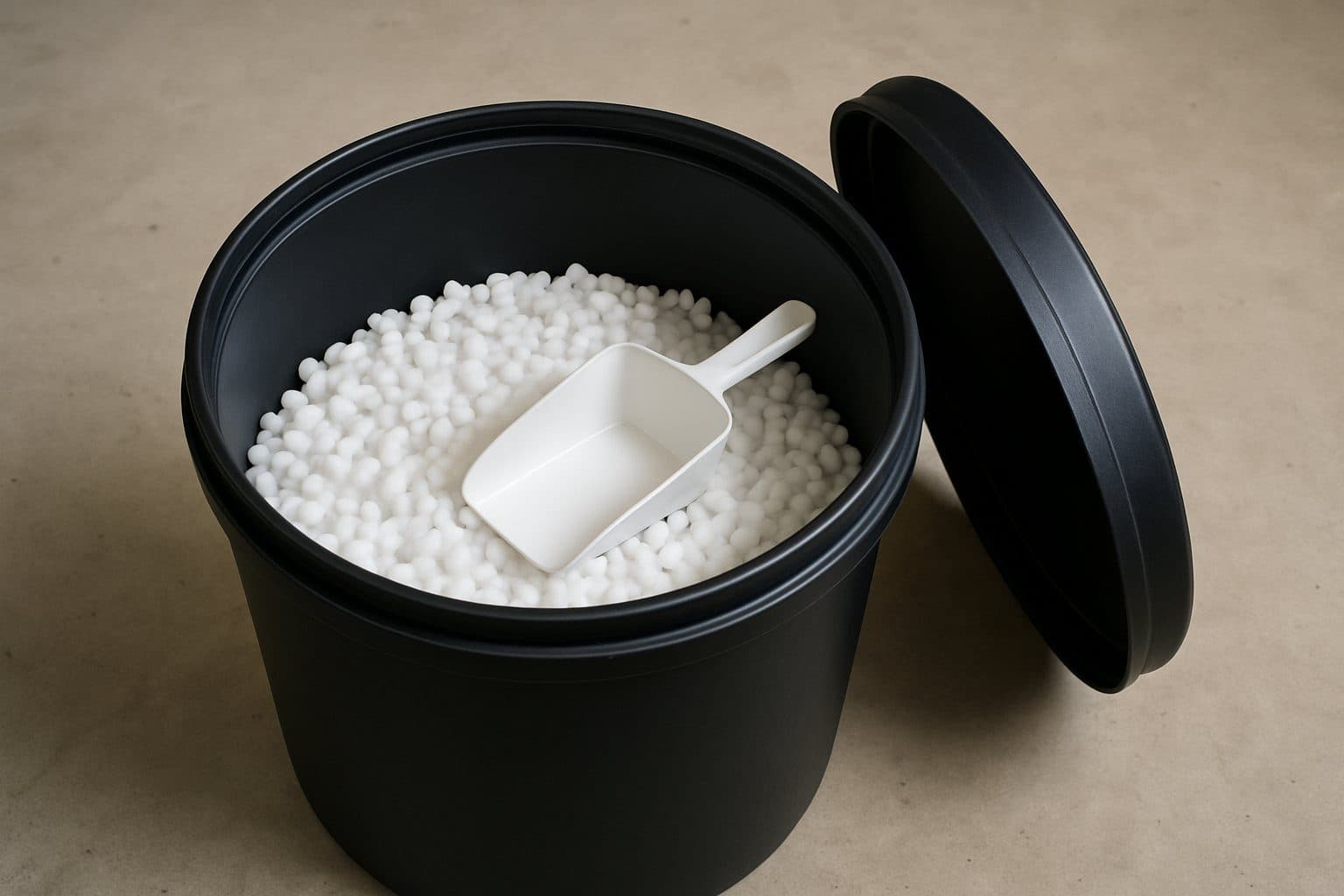
Salt use is set by how much hardness you remove and how the valve is programmed. A bag a month and a bag a week can both be correct.
5 min read
One removes hardness minerals. The other changes their shape so they stop sticking. What that means for your pipes and water heater.
5 min read
Hardness, pH, chlorine and TDS, measured in your kitchen and explained on the spot. Free, and sometimes the answer is that you need nothing.
No charge, no obligation, and a real number rather than a regional average.