
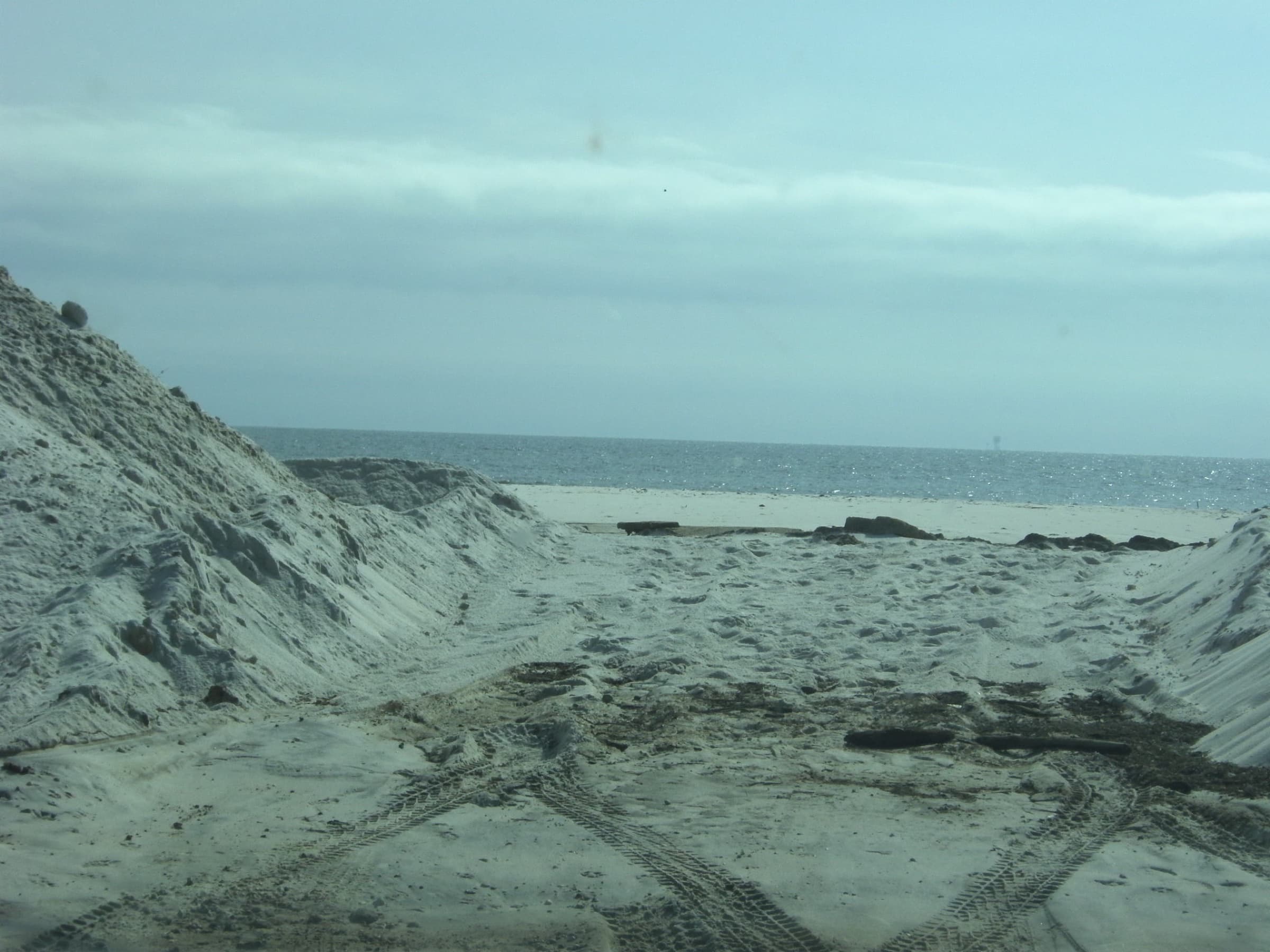
Bayou La Batre is Mobile County's working seafood port — shrimp boats tied along the bayou, processing houses backed up to the water, and a tight residential grid wrapped around the harbor and out toward Coden along Highway 188. The Census median year built is 1986 across about 770 housing units, with only 14 pre-1939 structures still on the books. That young median is largely a hurricane artifact: Katrina in 2005 materially damaged the city's water and wastewater infrastructure and a significant fraction of its housing, and the rebuild cycle pulled the median forward by decades.
The post-Katrina rebuild also reset the conversation about coastal-aquifer water quality here. Bayou La Batre sits on the front line of Mobile County for saltwater intrusion in shallow private wells, where chloride and sodium creep upward over years as freshwater is drawn down faster than rainfall recharges it. The technical concern shows up in the lab as elevated chloride; the practical concern at the kitchen tap is a faint salty taste that no softener can address because softeners don't remove sodium.
The retail answer for drinking water is point-of-use reverse osmosis at the kitchen sink, because RO is the only residential-scale technology that meaningfully reduces dissolved salts. Whole-house treatment for shower-end use stays focused on iron and hardness; the chloride conversation belongs at the drinking tap.