

"How deep is your well" is the first question anyone asks about a private supply, and it is asked as though the number were a grade. It is not — but it is a proxy for something that genuinely matters here.
What depth is a proxy for
Separation from the surface.
The formation most local wells draw from is a sand-and-gravel unit that the USGS describes as highly permeable. Permeability is why the water is easy to reach and plentiful. It is also why what happens at the surface can reach it.
Depth buys distance from that. A shallower well sits closer to whatever is happening on the land above it — septic systems, agriculture, fuel storage, stormwater — and responds faster to rainfall.
That is why shallow wells are advised to test more often. It is not that shallow water is inherently worse; it is that it is less buffered from change.
Depth is not the only variable, or even the main one
A deep well with a failed seal is not protected by being deep. Water can travel down the outside of the casing far more readily than through a hundred feet of formation.
The things that often matter more:
- Casing condition and depth — how far the sealed pipe extends before the well is open to the formation
- Grouting in the annular space, which is what stops surface water tracking down the outside
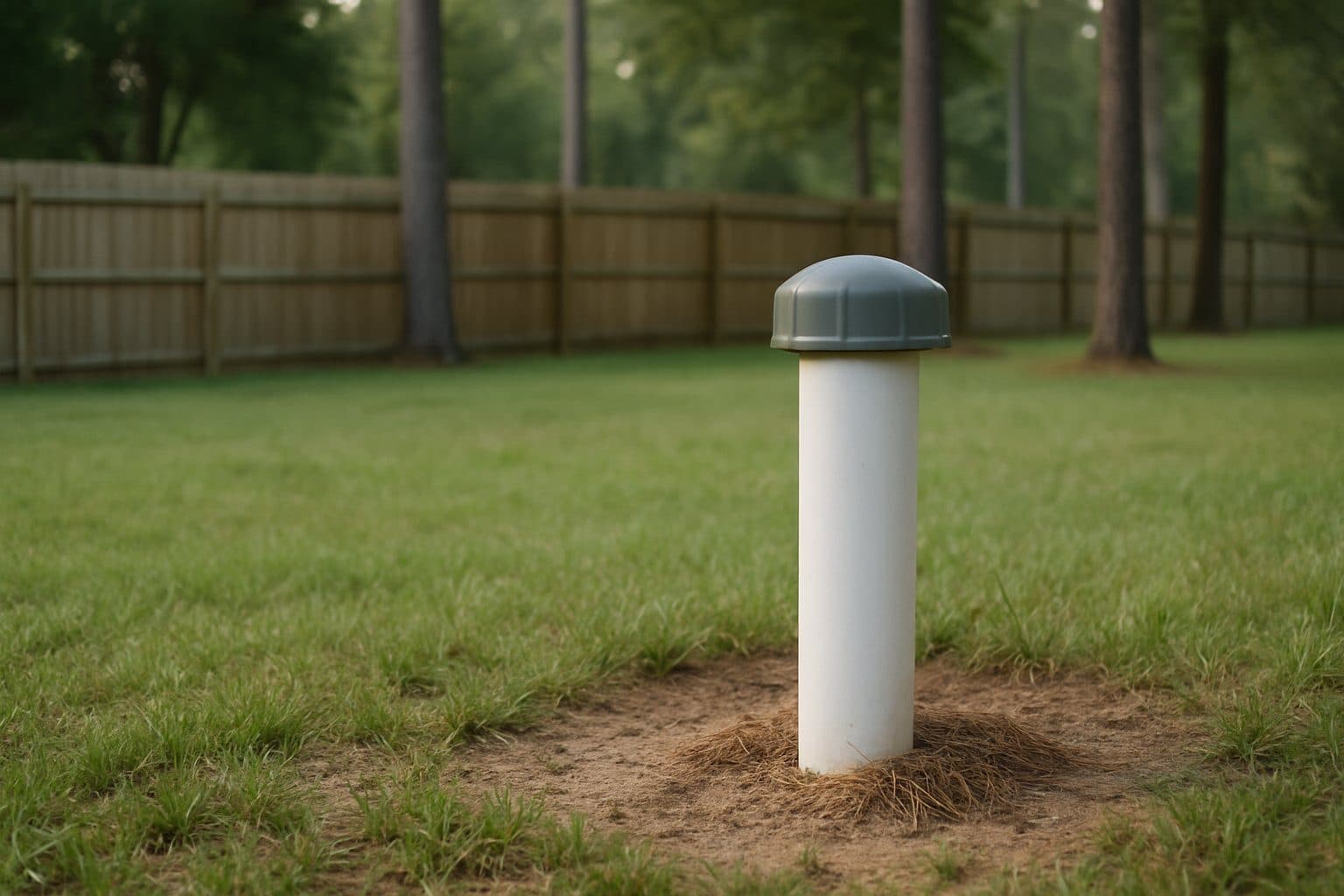
- Wellhead protection — a cap that seals, and ground that slopes away rather than pooling
- Setbacks from septic systems and other sources
A well-constructed shallower well can be better protected than a poorly constructed deep one.
Public supply is a different animal
Public-supply wells are generally drilled considerably deeper than domestic ones. They are chasing production — the yield needed to supply thousands of people — and deeper zones tend to be both more productive and better protected.
So comparing your domestic well to the city's is not comparing like with like. They were drilled for different reasons to different specifications.
Finding out about yours
The completion record is the answer, and it should state depth, casing, and the screened interval. If you do not have it, the driller may, and the county or state may hold a copy.
If nothing exists, a well contractor can often determine depth directly. That is their work, not ours.
What actually changes your treatment
Depth informs expectations. It does not determine what is in the water, and it cannot be substituted for a reading.
Two wells on the same street at the same depth can read differently — different screened intervals, different casing ages, different things upslope. County medians describe a region; they cannot describe a property.
More on the formation these wells draw from and on private wells generally. The free test reads what is actually arriving, whatever the depth.