

A bacteriological result comes back positive and the letter is not written to calm anyone down. Before doing anything expensive, find out which of two very different findings you have.
Total coliform is an indicator, not a pathogen
Total coliform bacteria live in soil, on plants, and in surface water. Most are harmless, and drinking them is not the concern.
They are tested for because they are easy to detect and they travel the same routes pathogens do. Finding them means a pathway exists between the surface and your water. The bacteria are the evidence; the pathway is the problem.
Common pathways on a private well:
- A cracked or corroded casing, or one that does not extend far enough
- A wellhead below grade, so surface water pools around it
- Failed grouting in the annular space around the casing
- Recent work on the well or plumbing that let something in
- Heavy rain on a shallow well in permeable ground — which describes a lot of wells here, given the formation this aquifer sits in
E. coli is a different finding
E. coli indicates faecal contamination specifically. It is a different order of seriousness and it is not a wait-and-see result.
Contact your county health department promptly and stop drinking the water until it is resolved. Bottled water in the meantime. This is the one result on a water report that justifies acting before understanding.
Retest before you spend
For total coliform, a retest is standard practice, because false positives are genuinely common:
- The tap was not disinfected before sampling
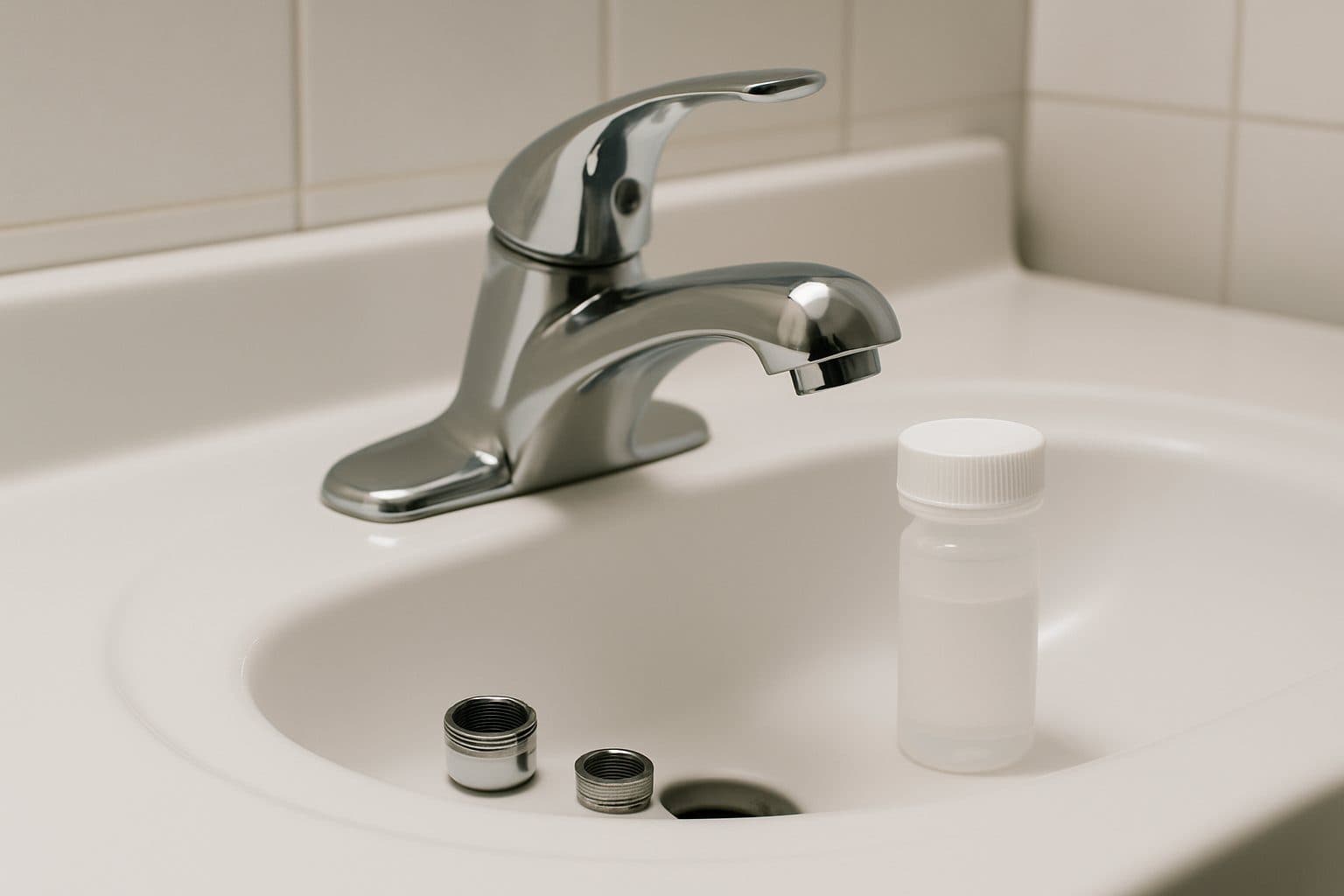
- The aerator was left on — it harbours bacteria and is not your water
- The container rim was touched
- The sample sat too long or too warm before reaching the lab
Use the health department's container and follow their instructions exactly. In Alabama, county health departments supply containers and handle bacteriological testing, and that is the right call for this specific question.
Two positives in a row is a finding. One is a question.
What fixes it, in order
1. Find the pathway. Inspect the casing, the cap, the grade around the wellhead, the grouting. A disinfection treatment that does not address the entry point buys you a few clean weeks.
2. Disinfect. Shock chlorination is the standard clean-up. We do not do this — it belongs with a well contractor or under health-department guidance.
3. Retest after flushing, allowing the system to stabilise first.
4. Consider ongoing disinfection if the source is vulnerable rather than a one-off. That is where UV belongs — and where the local constraint bites: most wells here need iron pre-treatment first, which is not something we install.
The honest summary of our role
We install UV. We do not disinfect wells, we do not repair or drill them, and on a well where iron is high we cannot supply the pre-treatment UV requires.
That is a narrower answer than most companies give to a bacteria question, and it is the accurate one. More on private wells here.
General guidance, not a substitute for your county health department. A positive E. coli result should go to them promptly.