
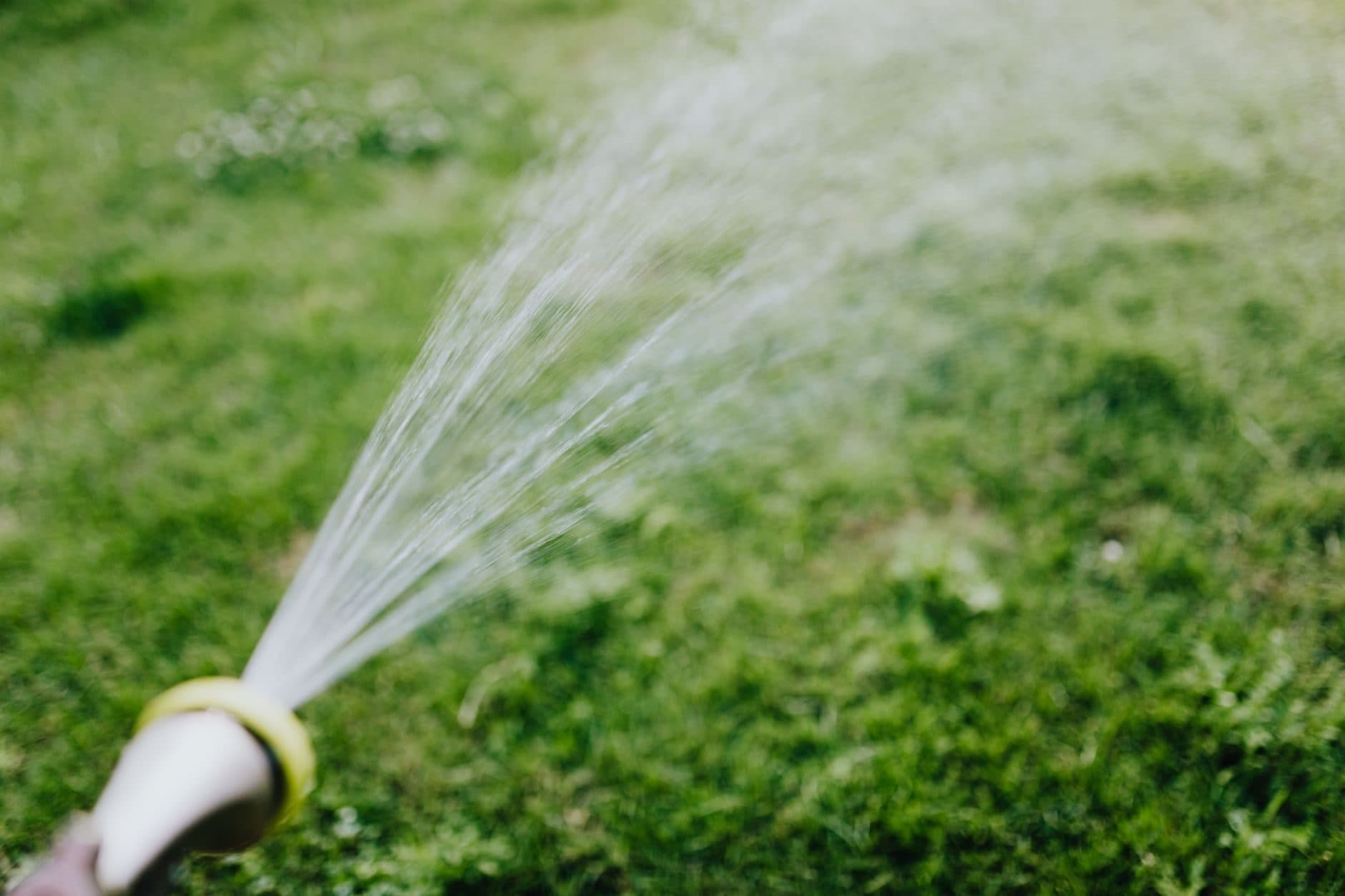
A softener treats whatever passes through it. If the outside taps are downstream, it is softening the lawn — and that is salt and capacity spent on something that gains nothing from it.
Why the garden does not want it
Plants are indifferent to hardness. Calcium and magnesium are not a problem for soil, and in some cases they are actively useful.
Sodium is the other side of the exchange. Ion exchange does not remove hardness so much as trade it — calcium and magnesium out, a small amount of sodium in. In a glass of water that is trivial. Applied continuously across an irrigated area, on certain soils and with salt-sensitive plants, it is not a favour.
Since there is no upside, the question answers itself.
And it is expensive in the way that matters
Irrigation is frequently the largest single water use on a property, and it is seasonal and heavy. Softening it means:
- More salt, in direct proportion to the volume
- More regenerations, so more water sent to drain
- More wear on the valve, which is the component most likely to fail first
A summer of softened irrigation can be a meaningful share of a year's salt.
Check rather than assume
Most installers plumb outside taps ahead of the softener as standard practice. Most is not all, and houses get re-plumbed.
The soap test. Fill a bucket from an outside tap and wash your hands. If it lathers readily and feels slippery in the way inside water does, it is softened. If it behaves like the water did before the softener was installed, it is bypassed.
A hardness strip settles it definitively and costs almost nothing.
What else is worth bypassing
The kitchen cold tap, if you would rather drink unsoftened water. This is personal preference — some people prefer the taste of harder water, and some prefer lower sodium in what they drink. Either is a legitimate reason.
Note that if drinking water quality is the concern, an under-sink RO unit addresses it far more completely than bypassing does.
A dedicated line for a pond or aquarium, where water chemistry is being managed deliberately.
Changing it later
It is plumbing work rather than a setting, and the difficulty depends entirely on where the outside taps tee off relative to the softener. Sometimes it is an afternoon; sometimes the geometry makes it awkward.
If irrigation is a large part of your water use, it is worth pricing. The salt saving is recurring.
The free in-home test reads hardness at whichever taps you want checked, which is the direct way to find out what is currently being softened.